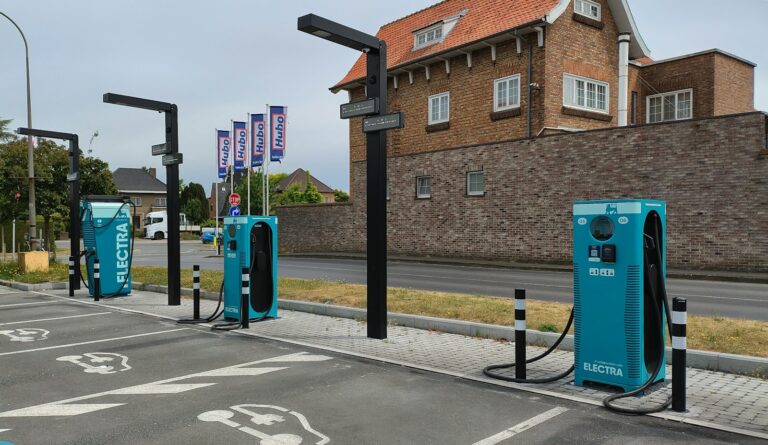
Batteries & Charging
Golf Cart Charger Receptacle Problems: What to Check
A charger receptacle problem can look like a bad charger or bad battery pack. Common symptoms include a charger that…
Read guide →



A charger receptacle problem can look like a bad charger or bad battery pack. Common symptoms include a charger that…
Read guide →
Golf cart tire brands overlap heavily in size, tread pattern, and price, so the best brand depends on the exact…
Read guide →
The Mr. Heater MH4GC is a purpose-built 4,000 BTU propane golf cart heater designed for outdoor recreational use. Its biggest…
Read guide →
Short answer: the most important golf cart accessories for night driving are proper headlights, taillights/brake lights where required, clean mirrors,…
Read guide →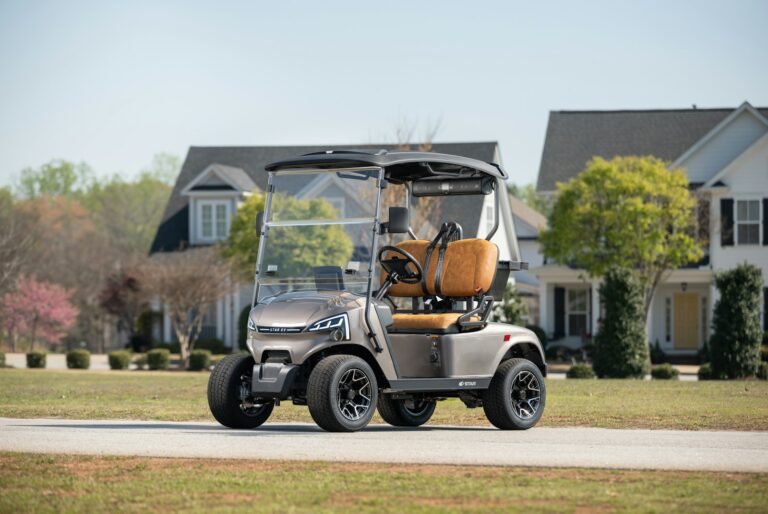
A 4-passenger golf cart is usually a 2+2 layout: two forward-facing front seats plus a rear-facing or convertible rear seat.…
Read guide →
Short answer: a portable golf cart windshield makes sense when you want temporary wind, bug, or light-rain protection without installing…
Read guide →






Check the manufacturer, model, model year, and gas or electric setup first. Then verify the specific fitment details that matter for the part, such as voltage, dimensions, mounting points, plug type, bolt pattern, or clearance.
Find the manufacturer badge, serial number, or data plate on the cart. Use that information to confirm the model family and model year before ordering model-specific parts or electrical components.
Yes. Use the Brands & Models hub to start with Club Car, E-Z-GO, Yamaha, Evolution, and supported model families, then open the Shop with the matching brand and model filters already selected.
No. Parts can vary by model, generation, year, voltage, and existing modifications. Verify the exact compatibility details instead of relying on the brand name alone.
Check system voltage, battery compartment dimensions, BMS current limits, charger compatibility, cable size, terminals, and the cart’s charging requirements before converting.
GolfCartBase is an independent product discovery and editorial site. We provide fitment guidance, product information, and buying guides, then link to third-party retailers such as Amazon when appropriate.
Start with accessories that solve a real need. Mirrors and lights can improve visibility, covers and enclosures help with weather protection, and storage or seat accessories can improve everyday convenience. Always check fitment before ordering.
Confirm the cart’s electrical system before buying a battery or charger. Common systems include 36V, 48V, and 72V, but the correct choice depends on your cart model, battery configuration, charger, and electrical components.
Sometimes. Larger tires can create clearance problems around the body, suspension, or steering components. Check the tire diameter, wheel offset, cart model, and existing suspension before deciding whether a lift kit is needed.
Inspect tires, brakes, steering, battery connections, cables, and fluid or charging systems regularly. The exact schedule depends on how often the cart is used, the environment, and whether it is gas or electric.