








Fairway Wood vs Hybrid: Distance and Forgiveness Compared
Choose a fairway wood if you need more distance from the tee or a clean fairway lie. Choose a hybrid if you need a…

Use the maintenance schedule in your cart owner’s manual as the baseline. Tire pressure, battery condition, brakes and visible hardware should be checked regularly, while engine oil, filters, belts and other service items depend on the cart type, model and usage.
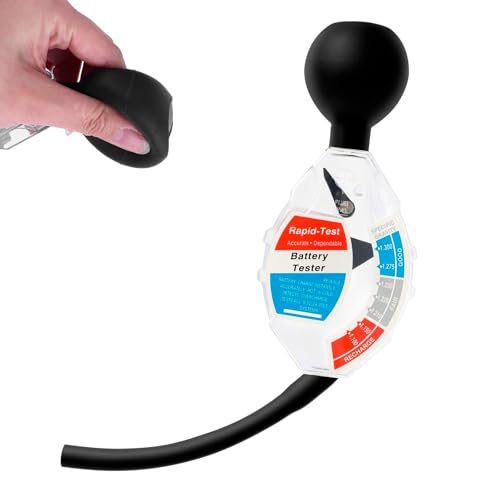
Typical electric-cart maintenance includes checking batteries or the lithium battery system, cables and terminals, tire pressure, brakes, steering, suspension and charger operation. Flooded lead-acid batteries also need electrolyte-level checks according to the battery manufacturer’s instructions.
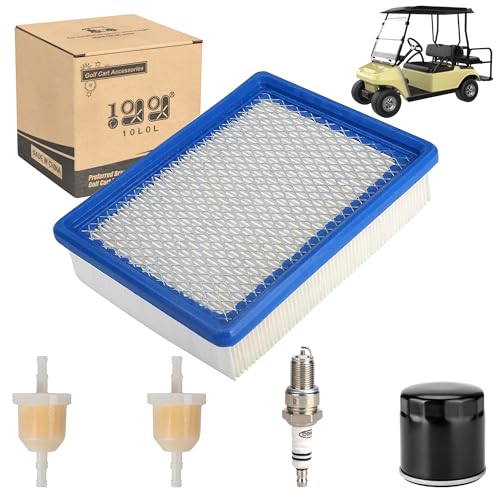
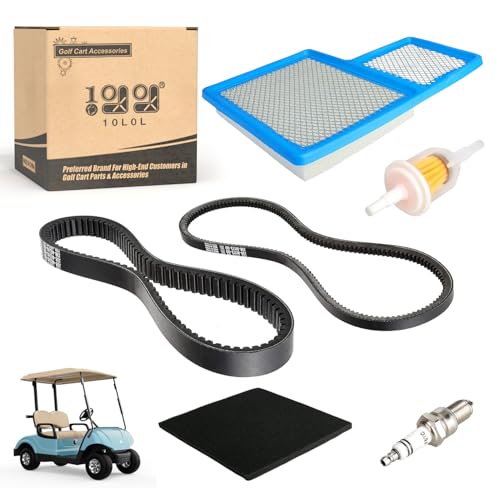
Gas carts usually add engine oil, air and fuel filters, spark plugs, belts and fuel-system checks to the normal tire, brake, steering and battery maintenance. Follow the service intervals for your exact engine and cart model.
Warning signs can include reduced braking, excess pedal travel, noise, pulling or visible wear during inspection. Brake systems vary by model, so inspect the correct components and service specifications before ordering parts.
Yes, if the jack has adequate capacity and you use the manufacturer-recommended lifting points. Never rely on a hydraulic jack alone while working underneath the cart. Support the cart with properly rated jack stands on a stable surface.
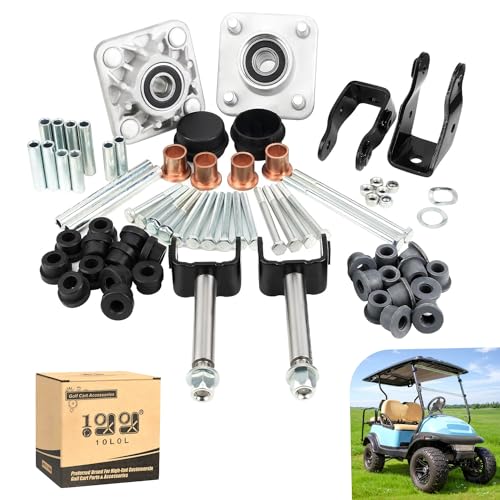
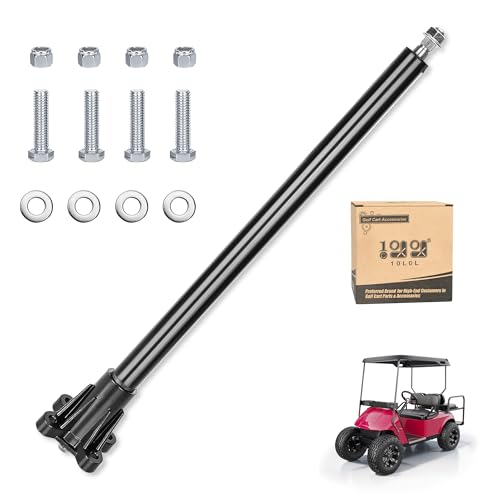
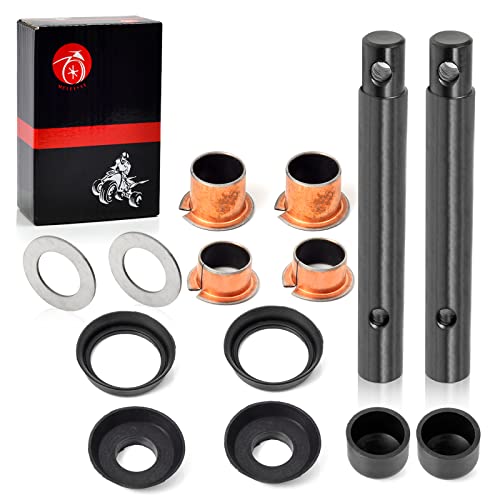
Loose steering can come from worn bushings, king pins, tie-rod ends, steering-box components, wheel bearings or other front-end parts. Inspect the system before replacing parts because the correct repair depends on the source of the play.
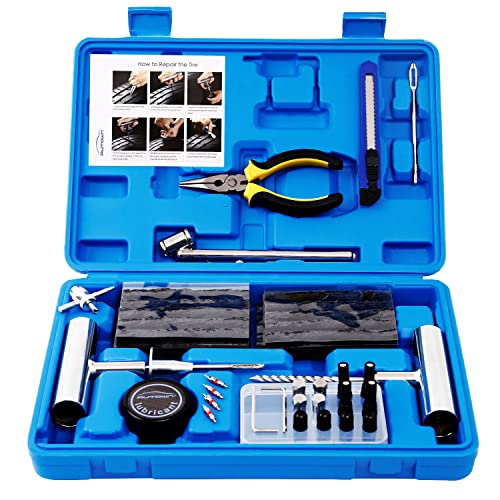
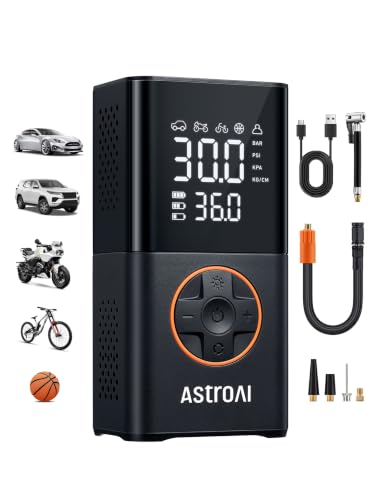
Check it regularly and before longer drives, especially after temperature changes or when a tire looks low. Inflate to the pressure shown by the tire or cart manufacturer rather than using a generic pressure for every golf cart tire.
Turn the cart off and follow the battery manufacturer’s safety instructions. Wear eye and hand protection, keep tools away from exposed terminals, and use products intended for battery corrosion. Severe cable or terminal damage should be repaired rather than simply cleaned.
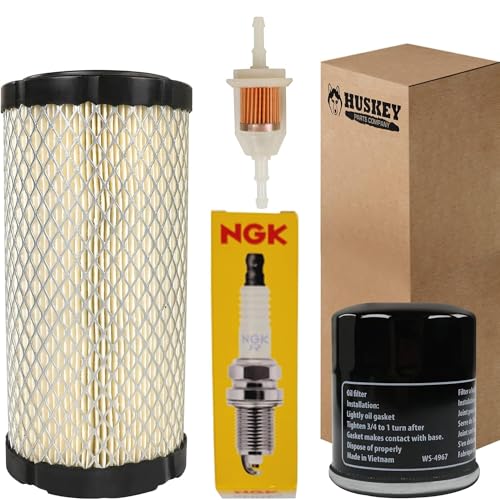
Depending on the engine, a tune-up may include the air filter, fuel filter, spark plug, oil filter, engine oil and belts. Buy parts by cart model, year, engine family and OEM reference instead of assuming a universal kit will fit.
Use a qualified technician when the repair involves high-current electrical systems, lithium battery faults, internal engine work, brake problems you cannot diagnose, welding, structural damage or any job you cannot complete safely with the correct procedures and tools.