








Fairway Wood vs Hybrid: Distance and Forgiveness Compared
Choose a fairway wood if you need more distance from the tee or a clean fairway lie. Choose a hybrid if you need a…


Stock fitment varies by cart model, suspension and wheel offset. Many carts use tires around the common 18-inch overall-diameter range, but verify your exact model, current tire size and available clearance before ordering.
Often, once overall tire diameter or width increases enough to contact the body or suspension. The required lift depends on the cart, wheel offset and tire size. Check the tire-and-wheel seller fitment chart rather than assuming wheel diameter alone determines clearance.
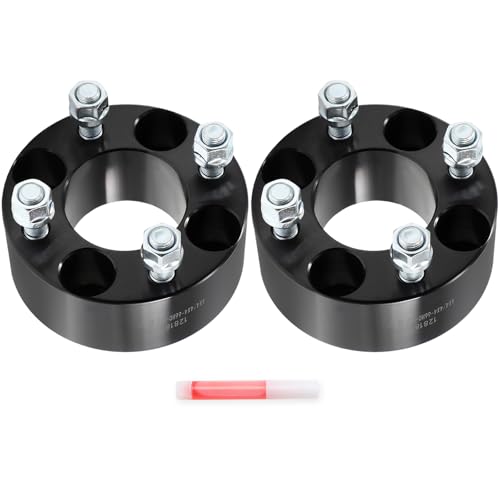
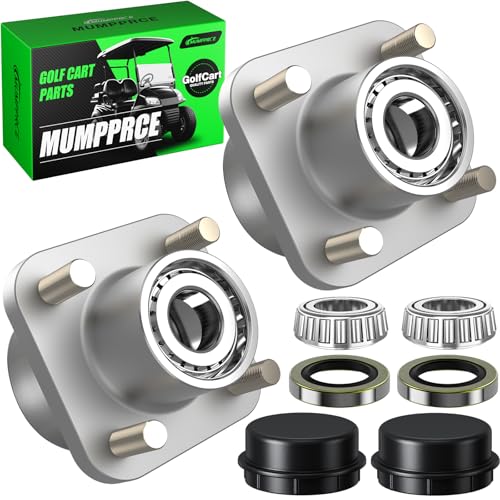
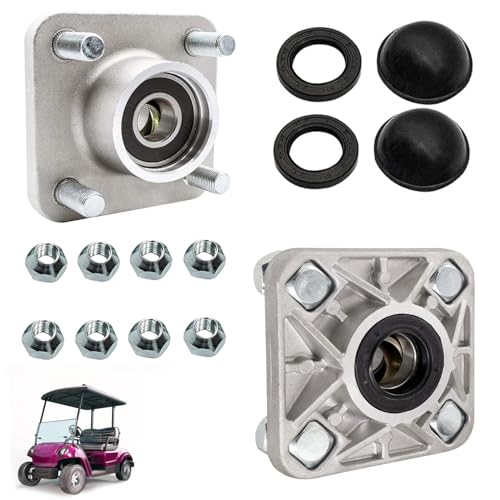
Many Club Car, E-Z-GO and Yamaha carts use a 4-lug, 4-inch bolt pattern, but it is not safe to assume every cart or aftermarket hub is the same. Measure or confirm the model-specific specification before buying wheels or spacers.
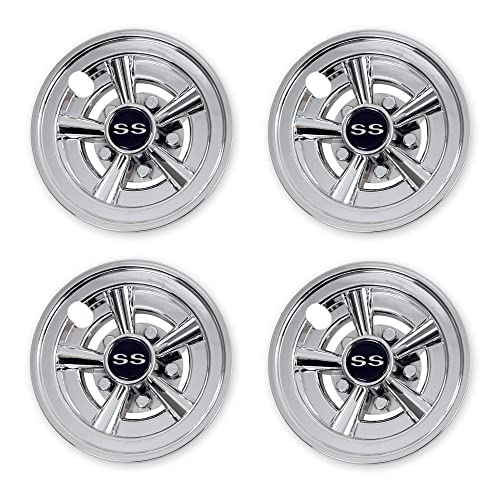
Some wheels share the same bolt pattern, but fitment also depends on wheel offset, backspacing, tire diameter, width and suspension clearance. Verify the full wheel-and-tire specification for your exact cart.
Offset describes where the wheel mounting surface sits relative to the wheel centerline. Changing it can move the tire inward or outward, affecting steering clearance, body clearance and bearing load. Match the wheel to your cart and tire size.
Choose based on where the cart is actually driven. Turf tires are designed to be gentler on grass, street-oriented tires favor paved surfaces, and all-terrain tread adds traction on loose or mixed surfaces. Also check local road-use requirements where applicable.
Use the pressure specified for the installed tire and your cart setup. The correct PSI is not universal across golf cart tires. Check the tire sidewall, manufacturer instructions and cart documentation, and measure pressure when the tires are cold when instructed.
Often yes when the complete tire diameter, width and wheel offset stay within the cart’s available clearance. A larger wheel does not always mean a taller tire, so evaluate the full tire-and-wheel dimensions rather than wheel diameter by itself.
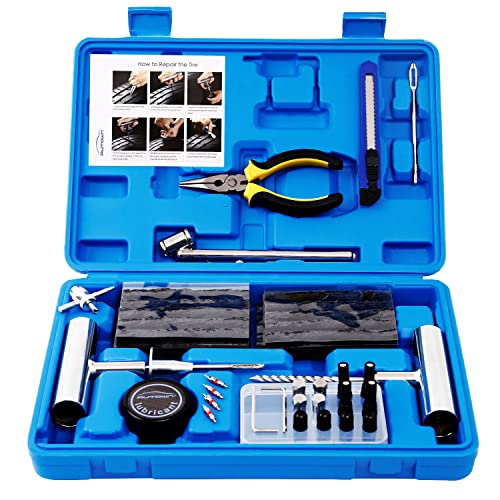
Replace tires that have unsafe tread depth, cracking, bulges, exposed cords, repeated air loss or other structural damage. Uneven wear can also point to alignment, suspension or pressure problems that should be corrected.
That depends on remaining tread, tire type, size and the cart manufacturer guidance. At minimum, keep tires on the same axle compatible in size and type. If the remaining tires are significantly worn or mismatched, replacing the full set can avoid inconsistent handling.