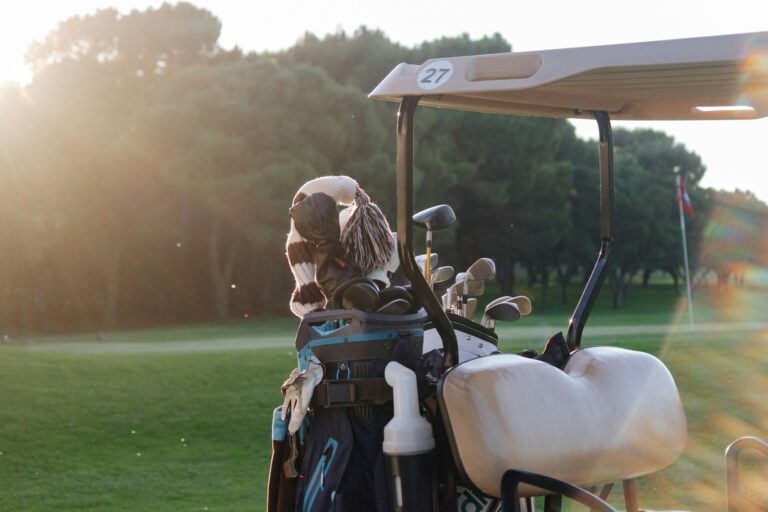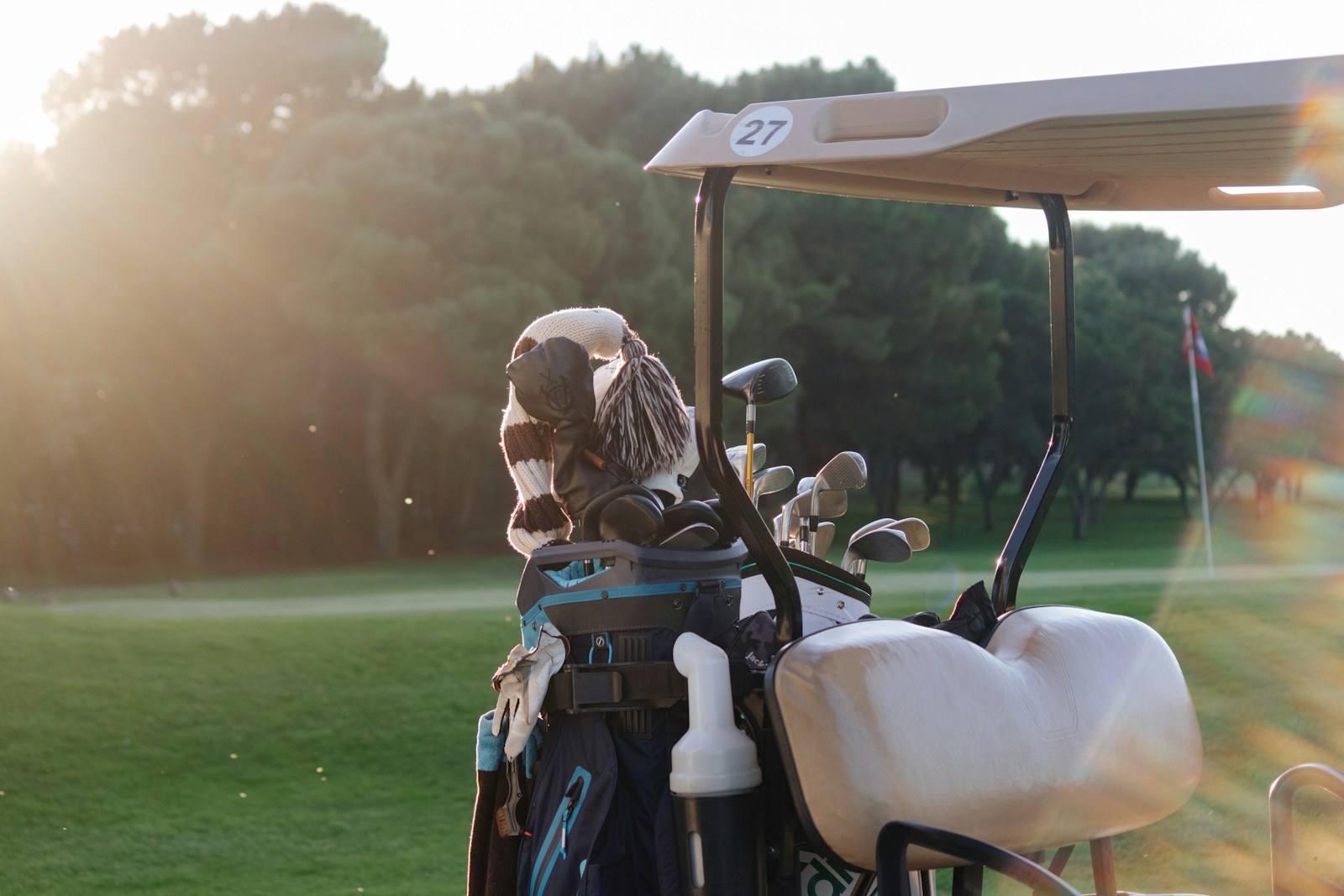
A golf GPS watch is the easier choice if you want yardages without stopping your walk. A handheld golf GPS is usually better if you want to study a larger hole map, read hazard distances clearly, or avoid wearing a watch during your swing.
Both types can show distances to the front, middle and back of the green. Neither automatically knows the exact location of the flag. The smarter purchase depends on how you move around the course and what information you actually use before a shot.
TL;DR: Golf GPS watch vs handheld
- Choose a watch for quick wrist-level distances while walking, carrying or pushing a cart.
- Choose a handheld if large maps, easier reading or cart mounting matter more.
- Do not assume handheld GPS is more accurate: positioning and course-map quality matter more than device shape.
- Compare GPS-mode battery hours, not smartwatch standby figures or generic round estimates.
- Check advanced features individually: automatic shot tracking, slope-style adjustments, subscriptions and hazard maps vary by model.
- Neither replaces a laser for an exact flag reading: GPS usually measures mapped green points.
Relevant golf GPS gear
As an Amazon Associate, GolfCartBase earns from qualifying purchases.
If you prefer wrist-based yardages, this Garmin golf watch is one relevant option. Check its current specifications and price before buying.

- Slim design with a stunning 1.2” color AMOLED display that brings 43,000+ preloaded courses to life on your wrist
- Get distance to the front, middle and back of the green and navigate bunkers, water hazards and layups with hazard view
- Pair with optional Approach CT1 or CT10 club trackers (sold separately) for shot-tracking capabilities, so you have a clearer picture of which parts of your game to focus on
- Easily keep score as you play, and upload to the Garmin Golf smartphone app for advanced stat tracking and handicap calculation
- Leave your phone in the cart and get smart notifications sent to your wrist — including emails, texts and alerts when paired with your iPhone or Android smartphone

Golf GPS watch vs handheld: side-by-side comparison
| Consideration | GPS watch | Handheld golf GPS |
|---|---|---|
| How you check yardage | Glance at your wrist | Read a pocket, belt-clip or cart-mounted unit |
| Screen space | Smaller, convenient | Often larger, especially map-focused models |
| Hole and hazard maps | Available on selected models | Often easier to explore on larger-screen models |
| Shot tracking | Available on some watches, sometimes with sensors | Varies; do not assume it is included |
| Battery | Model-dependent GPS hours | Model-dependent GPS hours |
| Best fit | Walking and frequent distance checks | Cart play, larger displays and detailed course planning |
Why a GPS watch makes sense
Yardages are always within sight
Imagine walking to a ball 155 yards from the middle of the green. With a watch, you can check the front and back numbers without returning to your bag. That saves a small interruption on every hole. Golfers who walk often value this more than an elaborate screen.
Useful features beyond distance
Some watches record scores, offer hole maps, and collect shot or club data. But the feature list differs significantly between models. Automatic shot tracking may need compatible club tags or additional setup. Our golf GPS watch buying guide explains what to compare before paying for extra features.
Where a watch falls short
Small maps can be awkward when you are deciding where to land a tee shot on an unfamiliar dogleg. A wrist display may also be uncomfortable for golfers who dislike anything on their lead arm. And a premium watch is unnecessary if you only need three green yardages.
When a handheld golf GPS is better
More room to understand the hole
A map-focused handheld can show bunkers, water, layup points and the shape of a green at a more readable scale. On a course you have never played, that extra visual context can be more helpful than a quick center-green number.
Do not confuse every handheld with a large touchscreen. Small clip-on GPS units may offer just a few yardages, while larger devices offer interactive hole views. Check the actual screen and mapping features before ordering.
Easy sharing and cart mounting
Some handheld devices can attach to a push-cart handle or riding-cart frame, letting you and a playing partner see distances. If you use a golf push cart, confirm the mount is compatible and secure. A pocket device is less convenient if you repeatedly leave it in the bag.
When a handheld is the wrong fit
It is one more thing to charge, carry and remember. A large display does not help much if you never open the hole map. If you simply want the distance to the middle of the green, a basic GPS watch or small handheld can both do the job.
Which one is more accurate?
A GPS watch is not inherently less accurate than a handheld GPS. Both rely on satellite positioning and mapped course data. The position of your device, satellite reception, course-map updates and the mapped green boundaries can all affect the displayed distance.
Importantly, a GPS reading to the center of a green is not a measurement to the flagstick. A flag near the front edge can be many yards closer than the center. For a direct measurement to a visible flag, see our laser rangefinder vs GPS comparison.
Battery life: compare the right number
Manufacturers may publish separate battery figures for smartwatch mode and continuous golf GPS mode. Use the latter when estimating rounds. For example, a watch rated for many days of ordinary timekeeping may last far fewer hours while continuously tracking a golf round.
Instead of assuming one category always lasts longer, compare two specific models. Consider screen brightness, active mapping, Bluetooth use, and how often you play consecutive rounds. Recharge the device before an important round and update course maps when prompted.
Which is better for your playing style?
| How you play | Better starting point | Reason |
|---|---|---|
| Walk and carry your bag | GPS watch | Fast checks without reaching into a pocket |
| Ride in a golf cart | Either; handheld if map-focused | A mounted larger display can be convenient |
| Play unfamiliar courses | Map-focused handheld | Hole layouts and hazards are easier to inspect |
| Track rounds and club distances | Compatible GPS watch | Some models support integrated tracking |
| Dislike wearing watches | Handheld | No wrist distraction during the swing |
| Only need basic green yardages | Either basic model | Do not pay for maps you will not use |
What to check before buying
- Course coverage: confirm your home course and common travel courses are supported.
- Map detail: check whether the device offers only front/middle/back distances or full hole maps.
- Readability: compare screen size, brightness and how easy it is to operate with a glove.
- Real GPS battery hours: plan for your longest round and a safety margin.
- Extra costs: check whether advanced maps, statistics or updates require a subscription.
- Competition use: understand which features you must disable under the applicable rules.
If you want a more exact flag measurement, our guide to using a golf rangefinder shows how to aim and interpret laser readings.
Are golf GPS watches and handhelds legal in tournaments?
Under USGA Rule 4.3, players may generally obtain distance or direction information, but cannot use equipment to measure elevation changes or provide certain prohibited playing assistance during a round. Check the current Rules of Golf and any competition-specific conditions. A device having an advanced feature does not mean that feature may be used in competition.
Frequently asked questions
Can a handheld GPS show the exact flag distance?
Most devices show distances to mapped green positions, not a live measurement of the flag. Some allow manual pin placement on a map, but that is still an estimate unless the actual pin location is known.
Do golf GPS watches work without a phone?
Many dedicated golf GPS watches work independently once their courses are loaded. A phone may still be needed for setup, software updates or syncing statistics. Confirm this for your model.
Is a golf GPS watch worth it for beginners?
It can be, especially if it makes choosing a club simpler. Beginners rarely need premium maps or analytics. Start with reliable front, middle and back distances, clear controls and enough battery for a full round.
Can you use a GPS watch and a rangefinder together?
Yes. A watch can show green and hazard yardages, while a laser can measure a visible flag or other target. Use only the functions permitted by the rules for your round.
Bottom line
For most golfers who walk, a GPS watch is the simplest way to keep yardages handy. Choose a handheld if a larger hole map, shared cart display or watch-free swing matters more. Compare specific models rather than assuming one format is always more accurate or has better battery life.