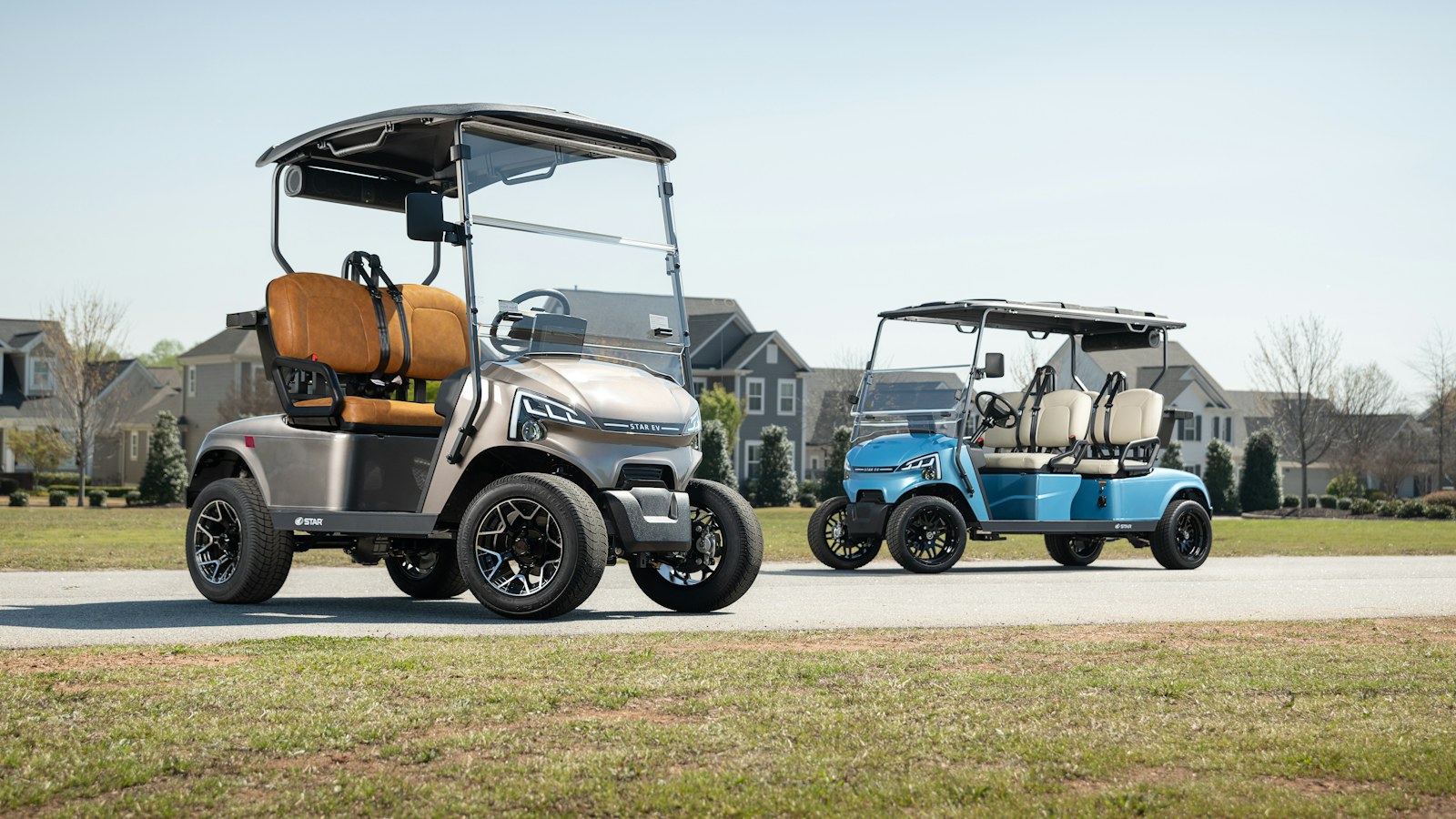
LED lighting is one of the most common golf cart upgrades. A good setup can improve nighttime visibility and make the cart easier for other drivers to see, but electrical compatibility matters.
Check voltage before connecting lights
Many golf carts use battery packs with higher voltage than typical 12-volt automotive accessories. Some light kits include a voltage reducer, while others require one separately. Never assume a light bar or headlight kit can connect directly to the full pack.
Look beyond brightness
Very bright lights are not automatically better. Beam pattern, mounting height, aim, and glare control determine how useful the lights are in real driving.
Before installation
- Confirm the cart voltage and light-kit input voltage.
- Check whether a reducer, relay, or fuse is required.
- Plan wire routing away from moving or hot parts.
- Use weather-resistant connectors where exposed.
- Aim headlights after installation.
Test the full electrical system
After installation, test headlights, tail lights, brake lights, turn signals, and any accessories together. If lights flicker or voltage drops unexpectedly, inspect the wiring and connections before regular use.