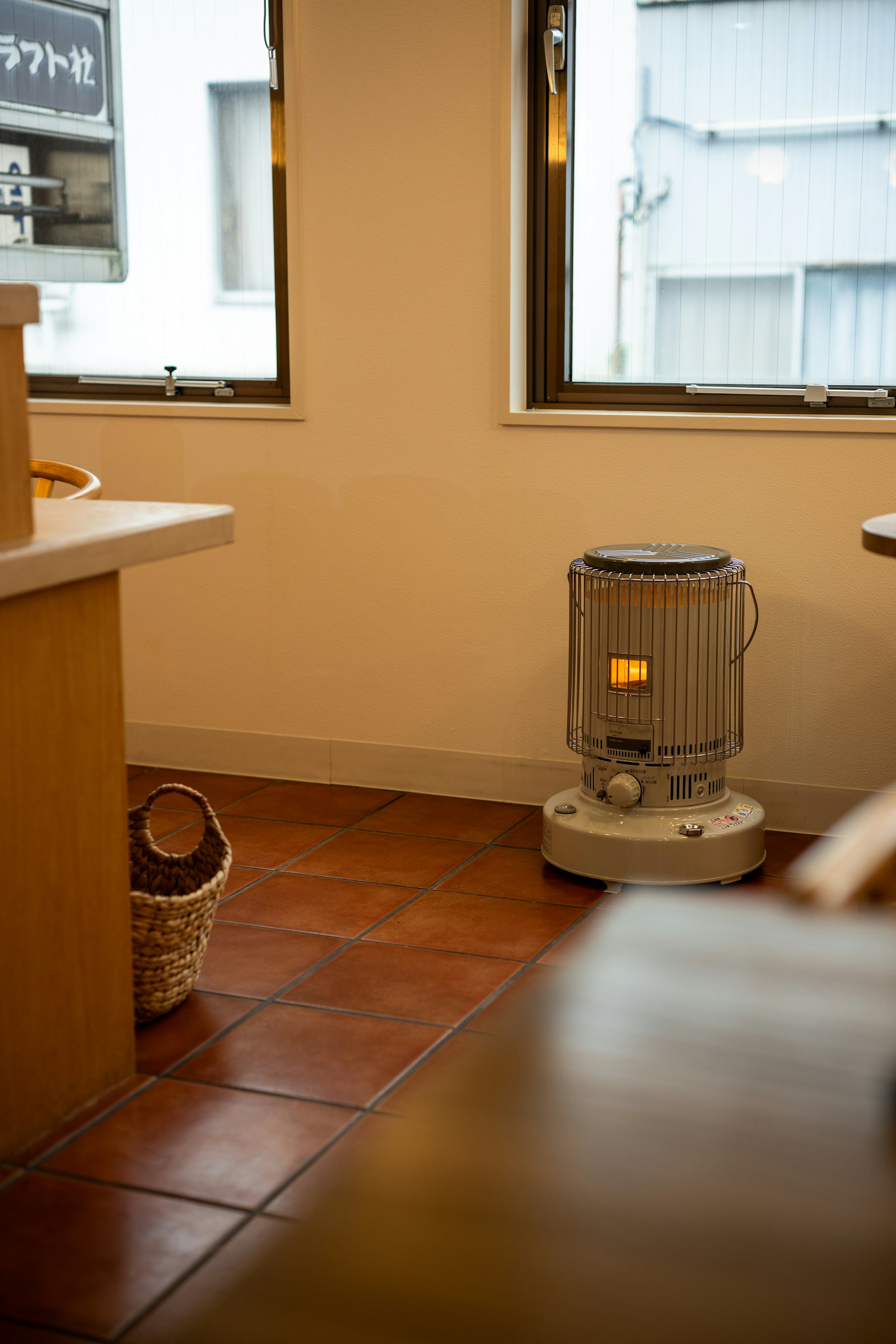
Short answer: A 48V electric golf cart heater can be a practical cold-weather option if the cart really has a 48V electrical system and the heater is wired with the correct connector, fuse protection, and cable size. The key question is not just heat output. It is whether the heater matches the cart’s electrical architecture without overloading accessory wiring.
If your cart uses a full enclosure, see our winter and rain cover guide. For broader accessory ideas, visit the golf cart accessories hub.
What makes a 48V heater different?
Many golf-cart accessories are designed for 12V power and need a voltage reducer on a 36V or 48V cart. A true 48V heater is different because it is designed to connect to a 48V system directly. That can simplify the installation, but only when the product and your cart are actually compatible.
A 400W heater at 48V draws a little over 8 amps in ideal conditions. That is much more current than a phone charger or LED light. Do not assume an existing accessory lead can safely carry that load. Follow the product’s wiring instructions and protect the circuit appropriately.
What to check before buying
- System voltage: confirm the cart is 48V, not 36V or 72V.
- Battery chemistry: lead-acid and lithium carts can share nominal voltage but use different battery management and accessory arrangements.
- Connection method: check whether the heater uses a dedicated plug, battery connection, or model-specific harness.
- Power draw: higher wattage means more electrical load and can reduce driving range.
- Mounting: the heater must stay clear of knees, upholstery, wiring, plastic trim, and loose items.
Current 48V heater options worth comparing
Affiliate disclosure: We may earn a commission from qualifying purchases. Product availability can change. Verify your cart voltage and installation requirements before ordering.
48V adjustable electric heater
This type is useful if you want a dedicated battery-powered heater rather than carrying propane. The listing states 48V compatibility, but the connector and installation method still need to match your cart.


48V heater for Club Car, EZGO, and Yamaha applications
This listing targets the three major cart families. Treat that as a starting point, not a guarantee of plug-and-play fitment. Compare the supplied wiring and mounting setup with your exact model.

400W carbon-fiber 48V heater
A carbon-fiber element can provide quick directional heat with no propane bottle. The trade-off is electrical draw, so wiring quality matters more than with low-power accessories.
Electric vs propane heaters
Electric heaters avoid open-flame fuel and propane storage, but they use traction-battery energy. Propane heaters do not consume battery capacity the same way, but combustion products and clearances make ventilation especially important. If you are comparing both types, see our propane golf cart heater guide.
Will a 48V heater reduce range?
Yes. Any meaningful electric heat comes from the battery pack. A heater that draws several hundred watts adds a continuous load while it runs. The real effect depends on battery capacity, temperature, terrain, passenger load, and how long the heater stays on. Cold weather already reduces usable battery performance, so range planning matters more in winter.
Installation mistakes to avoid
- Connecting a 48V heater to a 12V accessory circuit or reducer output without checking capacity.
- Using undersized wire or an unfused high-current connection.
- Mounting the heater where clothing, seat vinyl, or plastic can touch the hot outlet.
- Routing cables around steering, pedals, suspension, or sharp edges.
- Assuming all 48V Club Car, EZGO, or Yamaha models use the same connector.
Frequently asked questions
Can I plug a 48V heater into any 48V golf cart?
No. Voltage is only one part of compatibility. Connector type, wiring, fuse protection, battery chemistry, and model-specific accessory circuits also matter.
Do I need a voltage reducer for a 48V heater?
Not if the heater is genuinely designed for direct 48V input and installed according to its instructions. A 12V heater on a 48V cart is a different situation and normally requires a suitable reducer.
Is an electric heater better inside an enclosure?
An enclosure can reduce wind and make directional heat feel more effective. Keep airflow around the heater and do not place fabric against the outlet.
Bottom line
Choose a 48V golf cart heater by electrical compatibility first. Confirm pack voltage, connector, current draw, fuse protection, and mounting before comparing convenience features. A heater that is easy to wire safely is a better choice than a higher-output unit that does not match the cart.