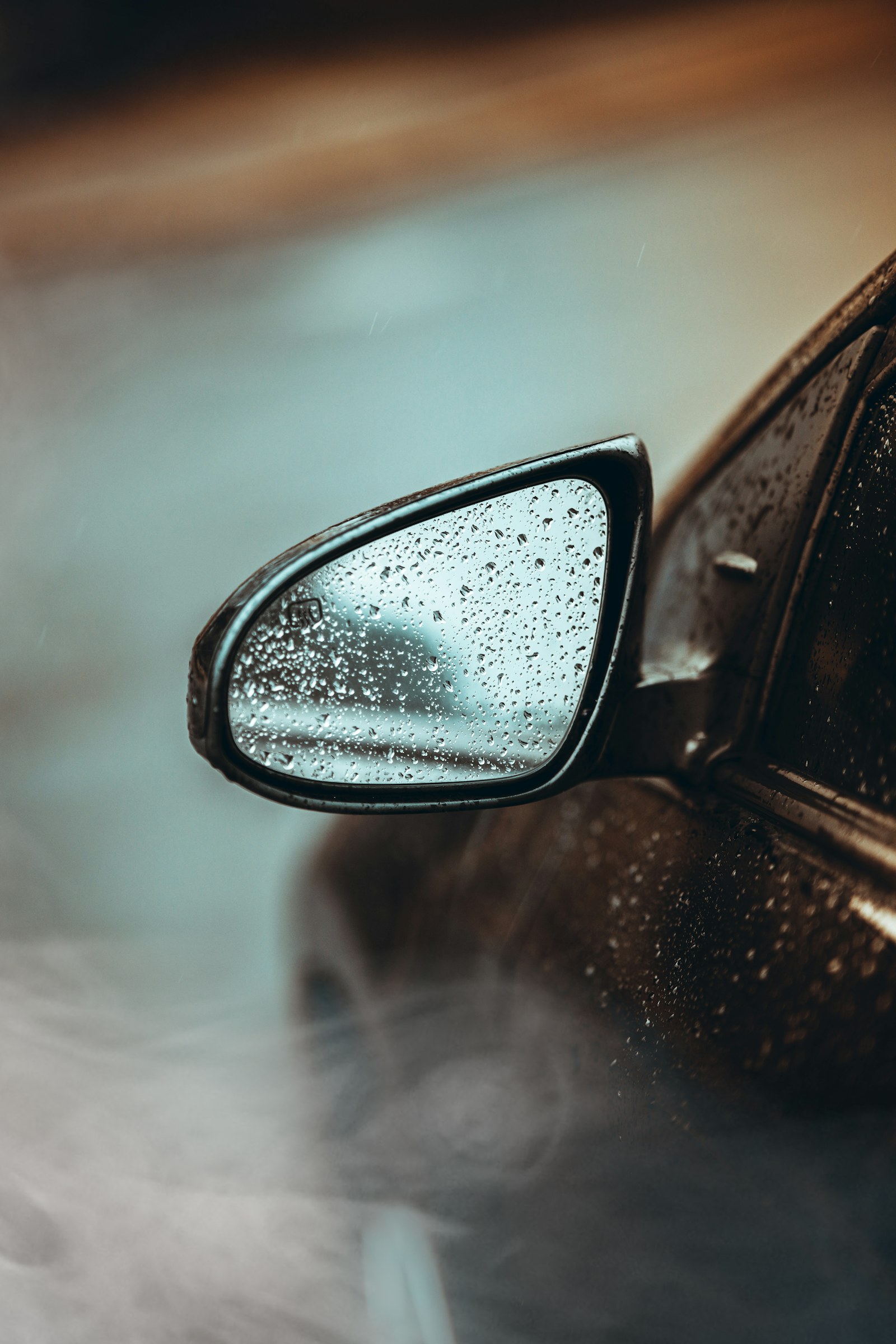
Golf cart mirrors with turn signals combine side visibility and signal repeaters in one accessory. They can make a cart easier for nearby drivers and pedestrians to read, but the mirror still needs secure mechanical fitment and the LEDs still need correct wiring. A lighted mirror does not automatically make a cart street legal.
Best mirror-and-signal options to compare
Universal LED side-mirror pair: a common choice for Club Car, E-Z-GO, and Yamaha-style roof supports when the bracket geometry matches.

MOSNAI turn-signal mirrors: another universal-style set aimed at the same major cart families.

Folding square-tube style: a folding design can reduce damage in tight storage spaces, provided the bracket fits the roof-support tube.

Affiliate disclosure: We may earn a commission from qualifying purchases.
Start with the bracket, not the wiring
Measure the roof-support tube shape and size before buying. Universal clamps may fit square tubes but not every custom roof support. Also check whether the mirror can fold without hitting the windshield, body, or enclosure.
How the turn-signal LEDs are powered
Most illuminated mirrors expect a 12V lighting circuit. On a 36V or 48V electric cart, the turn-signal system should normally be powered through the cart’s 12V accessory reducer or the light kit’s compatible circuit. Do not guess wire functions from color alone.
Integration with an existing light kit
If the cart already has front and rear turn signals, the mirror repeaters should be tied into the correct left and right circuits according to the mirror and light-kit instructions. Use protected connections and avoid quick taps in exposed areas where corrosion can create intermittent signals.
Visibility vs glare
Signal LEDs should be visible to other road users without reflecting strongly into the driver’s eyes. After dark, check the mirrors from the normal seated position. Re-aim or shield overly bright indicators if the design allows it.
Folding mirrors vs fixed mirrors
Folding mirrors are useful in garages, trailers, and narrow paths. Fixed designs may vibrate less if the bracket is more rigid. Either style needs enough tension to hold its viewing angle at speed.
Do signal mirrors replace front and rear turn signals?
Not necessarily. They should be treated as additional visibility unless local rules or the complete lighting system specify otherwise. A street-use setup may still require headlights, tail/brake lights, separate turn signals, reflectors, horn, windshield, seat belts, or other equipment.
Installation checklist
- Measure support tube shape and size.
- Confirm 12V supply or reducer output.
- Identify left/right signal circuits from the wiring diagram.
- Protect splices from water and abrasion.
- Check folding and windshield clearance.
- Aim mirrors from the seated driving position.
Bottom line
Choose turn-signal mirrors first for secure fit and useful mirror geometry, then for LED styling. Correct electrical integration matters more than the number of LEDs on the housing.
See our street-use accessory guide and side mirror guide.
n
Check current draw and flasher compatibility
Adding LED repeaters changes the electrical load on the turn-signal circuit. Most modern electronic flashers tolerate small LED loads, but older or unusual systems may behave differently. If signals flash too quickly, too slowly, or not at all after installation, verify the kit’s flasher and wiring requirements instead of adding random resistors.
Protect the wire at the mirror hinge
Folding mirrors move repeatedly, so the signal wire needs enough slack to fold without stretching and enough support to avoid pinching. Cycle each mirror several times after installation and inspect the harness before driving.
n
Wiring tip: label the left and right signal leads during installation so future mirror or light-kit service is much easier.