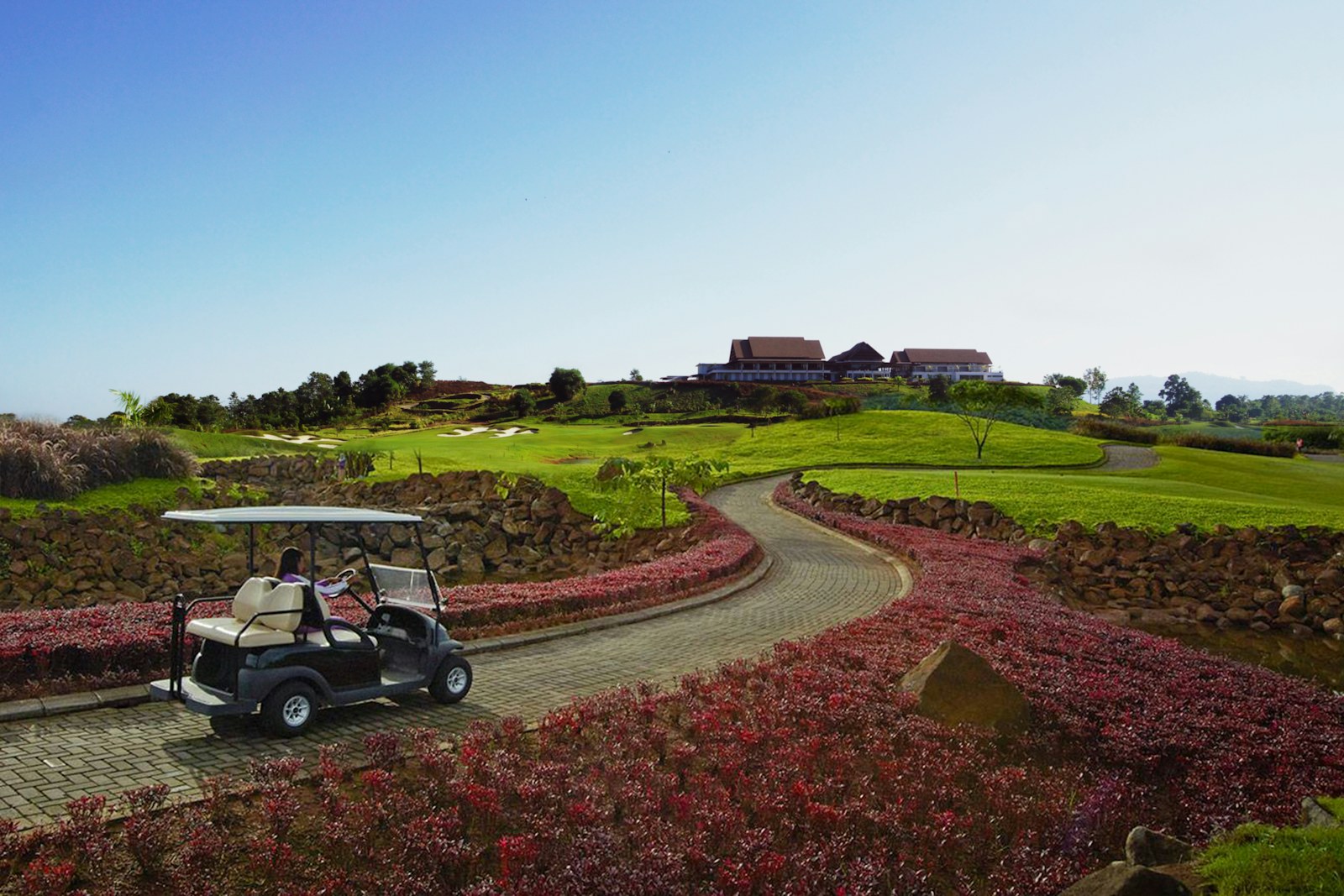
Evolution D5 Ranger and Maverick models share the same basic D5 architecture and lithium powertrain family, but they are aimed at different use cases. Ranger is the lower, street/turf-oriented setup. Maverick adds more ground clearance, larger off-road-style tires, and rugged exterior hardware.
The biggest difference is ride height and tire package
Current D5 Ranger 4 specifications list 225/55R14 radial tires and about 6.9 inches of ground clearance. D5 Maverick 4 uses a 23×10-14 off-road-style tire and about 7 inches of minimum ground clearance. The Maverick also sits taller overall.
Current four-seat dimensions
Evolution lists the D5 Ranger 4 at about 114.6 inches long, 55.8 inches wide, and 79.5 inches high. D5 Maverick 4 is about 118.1 inches long, 55.8 inches wide, and 83.1 inches high. Both use an 80.7-inch wheelbase in current specifications.
Powertrain is broadly similar
Both current D5 four-seat models use a 48V lithium system, 6.3 kW motor, AC controller, onboard charging, and electromagnetic braking. That means the Ranger-vs-Maverick decision is mainly about chassis setup, tires, height, styling, and use rather than a completely different drivetrain.
Maverick adds rugged exterior hardware
The Maverick family is associated with brush guards, side steps or running boards, taller stance, and off-road-style tires. Those features make it the more suitable choice for rough property roads, mixed surfaces, and buyers who want the lifted look from the factory.
Ranger is easier for pavement and garages
Ranger’s lower height and radial street/turf-oriented tire package make it easier to live with on smooth neighborhood roads, golf-course-style surfaces, standard garage openings, and lower trailers. It also avoids adding height when extra clearance is not needed.
Steering and tire behavior
Larger off-road tires can add steering effort, tread noise, and rolling resistance compared with a lower-profile radial. Ranger’s tire package is generally the simpler choice for mostly paved use. Maverick’s tire package makes more sense where clearance and rough-surface traction matter.
Accessory fitment is not identical
Because Maverick has different tires, stance, exterior protection, and overall height, covers, enclosures, running boards, bumpers, wheel trim, and transport equipment should be checked against the exact model. Do not buy an accessory simply because the listing says “D5.”
For bumper fitment, see our Evolution front-bumper guide. For D5 storage protection, see our Maverick cover guide.
Ranger 4+2 vs Maverick 4+2
The same basic logic continues in the longer 4+2 configurations: Ranger stays lower and more street/turf oriented, while Maverick uses the lifted/rugged package. Both gain substantial length because the rear-facing seat extends behind the main cabin.
Which should you choose?
- Choose Ranger for paved neighborhoods, golf-course-style use, lower garage height, and a more road-oriented tire package.
- Choose Maverick for rougher surfaces, higher stance, off-road styling, and factory rugged hardware.
Bottom line
Ranger and Maverick are close relatives, but they are not just cosmetic trims. Ranger prioritizes lower, smoother everyday use. Maverick adds a taller, more rugged tire and body setup. Confirm the exact 4-seat or 4+2 model before buying covers, tires, bumpers, steps, or transport equipment.
n
Ride comfort and entry height
Ranger is easier to step into and usually feels more natural for passengers who prefer a lower floor and street-oriented setup. Maverick’s taller stance and running-board treatment can help on rough surfaces but can also make entry different for shorter passengers or anyone with limited mobility. Sit in both before buying if passenger comfort matters.
Cost of replacement tires
Maverick’s larger off-road-style tires are a meaningful ownership difference. Replacement sets can cost more and may affect steering feel if you change diameter, width, or tread type. Ranger’s radial package is easier to keep close to the original paved-use behavior. Match load rating and overall diameter when replacing either type.
n
Ground-clearance tradeoff
Extra clearance is useful only when your routes need it. If nearly all driving is paved, the lower Ranger setup can reduce unnecessary tire and height compromises while still providing the same core D5 cabin and powertrain family.
Ranger and Maverick use different terrain priorities
The practical difference is not simply styling. Ranger models emphasize a lower, road-oriented stance, while Maverick versions use more rugged wheel, tire and ride-height choices. That can change step-in height, clearance, steering feel and the fit of covers, running boards, suspension parts and wheel accessories. Match accessories to the exact D5 body and trim rather than assuming every D5 part crosses between Ranger and Maverick.