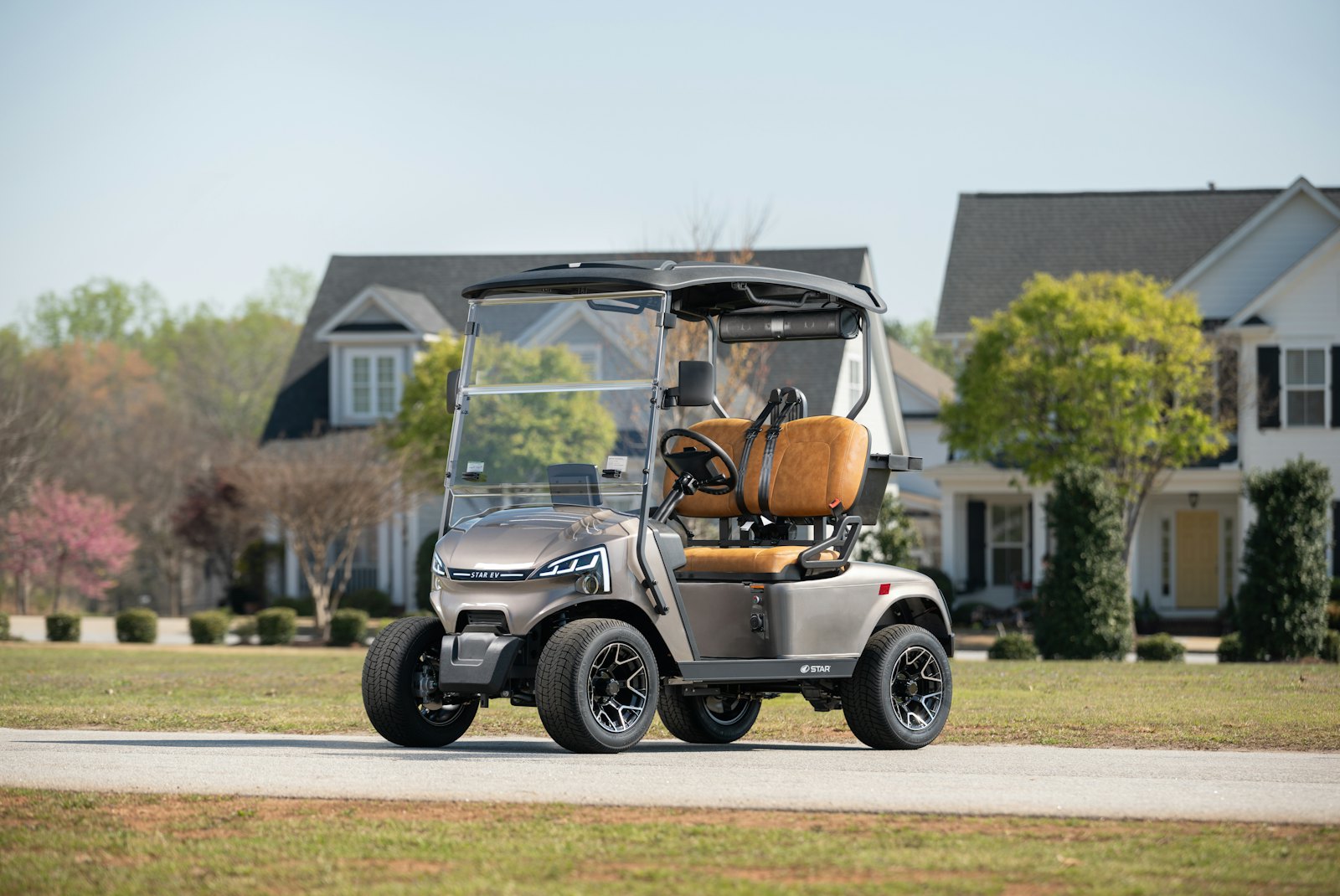
Short answer: the best golf cart cargo accessory depends on where the load needs to go. Front baskets work for tools and small gear, rear cargo bags add flexible grocery storage, cargo nets keep light items contained, and flip-seat decks handle larger loads when passengers are not using the rear seat.
Before adding storage, think about weight distribution and visibility. Heavy cargo behind the rear axle can change steering and braking feel, while tall loads can block mirrors or taillights.
Common cargo solutions
- Front basket: easy access but model-specific brackets often matter.
- Rear cargo bag: flexible and removable for groceries or sports gear.
- Cargo net: useful for keeping jackets, balls and light bags from falling out.
- Rear-seat deck: large flat space when a flip seat is folded into cargo mode.
- Bag holder/rack: useful for golf bags without giving up the entire rear platform.
Current cargo accessories worth comparing
Affiliate disclosure: We may earn a commission from qualifying purchases. Verify frame, seat and basket mounting dimensions before ordering.
Large rear mesh cargo bag
A collapsible mesh bag is useful when you need grocery or picnic storage without a permanent steel basket. Check attachment points and keep the bag away from hot components on gas carts.

Universal 4-passenger cargo net
A net is lightweight and useful for soft goods. It is not a substitute for tie-down straps when carrying heavy or rigid cargo.

Rear-seat cargo/storage bag
A zippered bag keeps smaller items contained and can help protect them from dust. Confirm it does not cover the rear lights or interfere with seat movement.

Front basket vs rear storage
Front baskets keep cargo visible and easy to reach, but they can add weight ahead of the steering axle and may interfere with body panels or lights. Rear storage offers more volume but adds leverage behind the axle. Distribute dense items low and close to the cart’s center whenever practical.
Do not exceed the cart’s capacity
Passenger capacity and cargo capacity share the same vehicle load limit. Four adults plus a cooler, tools and luggage can be much heavier than a normal golf-course load. Check the manufacturer’s payload guidance, tire load ratings and rear suspension condition.
Secure hard cargo differently from soft cargo
A net is fine for jackets or lightweight bags. Tools, batteries, coolers and other dense items need stronger restraint. Use ratchet straps or purpose-built tie-down points so cargo cannot slide during braking or cornering.
Keep lights, mirrors and airflow clear
Rear bags can block brake lights or reflectors, while a tall front basket load can reduce forward visibility. On gas carts, avoid packing cargo against cooling or exhaust areas. On electric carts, keep battery compartments and charging ports accessible.
Weather protection for cargo
Soft bags labeled water-resistant are not automatically waterproof. For electronics or clothing, use an inner dry bag or sealed container. Outdoor storage also exposes cargo hardware to UV and corrosion, so inspect buckles and straps regularly.
Model-specific basket fitment
Steel baskets often use brackets designed around particular body panels or roof supports. A basket listed for an EZGO TXT may not fit an RXV, and Yamaha G29/Drive brackets differ from Drive2. Universal soft bags are more forgiving, but their straps still need secure anchor points.
Build storage around the trips you actually make
A grocery cart, a golf-course cart and a maintenance cart need different storage. Frequent hard tools favor a rigid basket; groceries and sports gear are easier in a removable bag; loose jackets and towels work well behind a cargo net. For more general upgrade ideas, see our aftermarket golf cart accessories guide. Avoid stacking multiple storage accessories simply because space is available; extra hardware and load can reduce passenger room and visibility.
Bottom line
Choose cargo storage by load type: basket for frequent hard gear, bag for flexible everyday storage, net for light items, and flip-seat deck for occasional large cargo. Keep the load secured, within capacity, and clear of lights, steering, suspension and access panels.