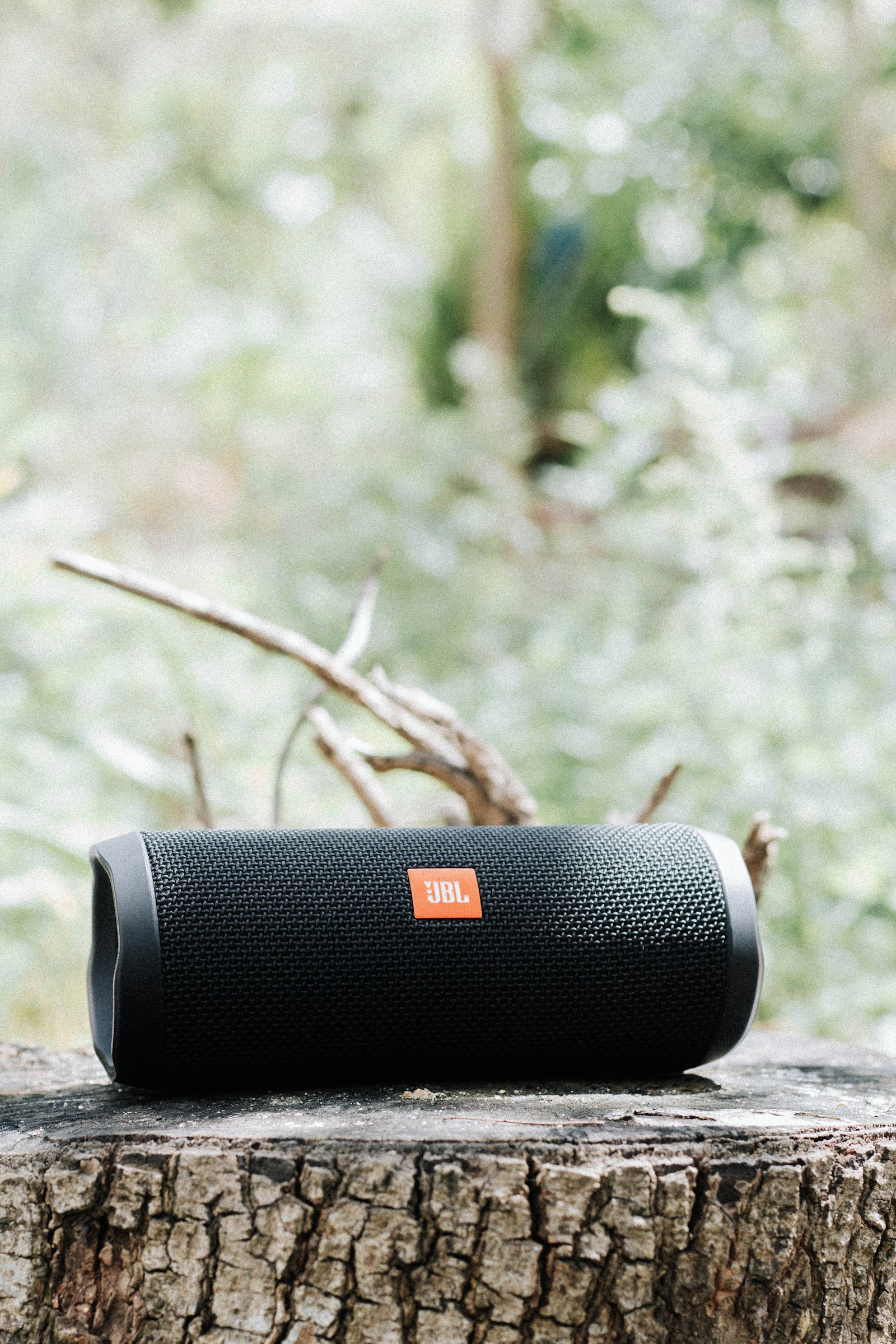
Short answer: for most golf carts, a powered Bluetooth soundbar is the easiest stereo upgrade because the amplifier and speakers are integrated. Component speakers can sound better when installed correctly, but they require more planning for enclosures, amplifier power, wiring and weather protection.
This guide focuses on choosing the audio architecture. For ready-made all-in-one options, see our golf cart speaker-bar guide.
Three common stereo setups
- Powered soundbar: easiest installation; amplifier and speakers in one housing.
- Marine coaxial speakers + amplifier: flexible placement and potentially better stereo separation.
- Full system with subwoofer: strongest bass but highest power, space and installation demands.
Current stereo speaker options worth comparing
Affiliate disclosure: We may earn a commission from qualifying purchases. Confirm mounting dimensions, power requirements and weather exposure before buying.
26-inch Bluetooth RGB soundbar
A mid-size bar is a practical fit for many roof-support layouts and includes amplification in the same housing.

35-inch Bluetooth RGB soundbar
A longer bar can provide wider speaker spacing and more output, but verify the distance between roof struts and the driver’s head clearance.

Golf cart stereo system with subwoofer
A system with a dedicated low-frequency driver is worth considering when bass matters more than minimal installation effort. Check current draw and mounting volume before choosing it.


Power supply matters as much as speakers
Most amplified golf-cart audio systems expect 12V DC power even when the cart traction system is 36V, 48V or 72V. Use a properly sized DC-DC converter or factory accessory supply. Size the converter for the amplifier’s real current demand plus other accessories sharing the circuit.
Soundbar vs separate speakers
A soundbar is fast to install and easy to move between carts, but stereo separation is limited by the single housing. Separate speakers can be positioned farther apart and aimed more carefully, but require mounting locations, speaker wire and an amplifier. Choose based on how much fabrication you want.
Weather resistance
Golf carts are exposed to humidity, rain splash, dust and UV. “Marine” or powersports construction is preferable for open carts, but still mount amplifiers and connectors where water cannot pool. Weather-resistant speakers do not make unsealed electrical splices safe.
Where to mount speakers
Roof bars can project sound well but must not reduce head clearance or block the driver’s view. Dash or under-seat locations can hide equipment but may muffle sound. Rear speaker placement works well for four-passenger carts but can be partially blocked by cargo or passengers.
How much bass do you need?
Small full-range speakers can sound clean at moderate volume, but deep bass requires cone area and enclosure volume. A subwoofer adds weight, power draw and mounting complexity. On a cart mainly used for neighborhood cruising, a good soundbar may be the better balance.
Bluetooth and controls
Look for easy pairing, physical volume controls and a convenient way to mute the system quickly. RGB lighting is optional and should be separately switchable so the speakers remain usable without decorative lighting at night.
Noise and responsible use
An open golf cart does not contain sound like a car cabin. Music that seems moderate to the passengers can travel far across a neighborhood or campground. Use enough output for clarity, not maximum volume, and keep alarms, horns and surrounding traffic audible.
Size the electrical supply before chasing wattage
Advertised peak wattage is a poor way to size a golf-cart audio circuit. Look for the amplifier’s fuse rating or realistic current requirement, then add margin for lights, USB charging or other accessories sharing the same reducer. Undersized wiring or a weak reducer can cause voltage drop, resets and distortion long before the speakers reach their potential. A clean, stable 12V supply usually improves reliability more than choosing the largest headline power number.
Bottom line
A powered soundbar is the simplest golf cart stereo. Choose component speakers when placement and sound quality justify the extra work, and choose a subwoofer system only when you have the power and space. Whatever the format, solve 12V power, mounting and weather protection before focusing on advertised wattage.
Related guides: waterproof vs water-resistant speakers
Related: speaker size and mounting.
n
Related: radio and speaker combos.
n
Related: speaker mounting ideas.
n
Related: Bluetooth soundbars.
Related: soundbar vs speaker system.
Related: How to wire a golf cart speaker system.