A whining, grinding or clunking sound from the rear of a golf cart is often blamed on the transaxle, but several nearby parts can create similar noise. Tires, wheel bearings, brakes, motor couplers, CVT components on gas carts and loose hardware should be ruled out before the differential is opened.
Identify when the noise happens
Note whether the sound changes with vehicle speed, motor or engine speed, turning, braking, acceleration, deceleration or load. A noise tied closely to wheel speed suggests a tire, hub, bearing, brake or differential issue. A sound that changes with engine RPM while vehicle speed stays similar may point elsewhere.
Check external causes first
Inspect tire tread for cupping or damage, check wheel nuts, look for brake drag and test for hub play. Our golf cart wheel-bearing guide explains common bearing symptoms. Also inspect motor and transaxle mounting hardware for looseness.
Inspect the lubricant
If the model uses serviceable differential or transaxle oil, verify the level and condition using the correct procedure. Low oil, water contamination or metal debris can accompany gear or bearing wear. See the differential oil guide for service considerations.
When the transaxle may need repair
Persistent gear whine, roughness with the wheels elevated, excessive axle play, large metal particles or a clunk that remains after external components are checked can justify deeper inspection. Do not keep driving a cart that has severe grinding, binding or leaking combined with noise; a small driveline problem can become a much more expensive gear or housing failure.
For electric carts, also confirm the motor is not the source before condemning the transaxle. The motor guide explains how the motor connects to the driveline.
Use a controlled road test
If the cart is safe to drive, test at low speed on a quiet surface and note exactly when the noise begins. Avoid prolonged testing if the sound becomes louder, the axle binds, or fluid is leaking. A repeatable symptom tied to speed, load or turning gives far more diagnostic value than a general description such as “rear-end noise.”
Related Product
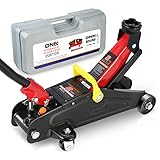
A low-profile floor jack can help with safe inspection access when tracing transaxle or rear-drivetrain sounds. Always use properly rated jack stands.