
The best way to stay warm in a golf cart is to block wind first, then add safe heat and seat-level insulation. A heater alone can struggle if cold air is constantly entering the cabin, while an enclosure, windshield, seat blanket, and warm clothing can make even a modest heater much more effective.
Start by blocking wind
Wind chill is often the biggest comfort problem in an open cart. A fitted enclosure can cover the sides and rear while a windshield reduces direct airflow from the front. Make sure the enclosure fits the exact roof length and passenger layout.
Compare options in our golf cart enclosure guide.
Use a heater that matches the cart
Golf-cart heaters fall into two main groups: propane and electric. Propane heaters are popular because they do not draw from the traction battery, but they must be used exactly as the manufacturer directs and need proper ventilation. Electric heaters avoid fuel cylinders but can require substantial current.
See our golf cart heater guide for the main types.
Do not improvise indoor-style heating
Household heaters, open-flame devices, and unapproved fuel heaters are poor choices for a small moving vehicle. Use equipment intended for portable or golf-cart use, keep combustible materials away from the heat source, and secure the heater so it cannot tip during braking or turns.
Seat blankets and covers help immediately
A cold vinyl seat pulls heat from your body quickly. A removable seat blanket or insulated cover can improve comfort without changing the electrical system. It is also easy to remove and store when the weather warms up.
Dress for airflow, not just temperature
Wind-resistant outer layers, gloves, and a hat can make a large difference because golf carts often expose the driver to more airflow than a closed vehicle. Layering works better than relying on one bulky garment.
Seal the biggest enclosure gaps
Check around the windshield, roof supports, lower door panels, and rear opening. A perfect airtight seal is not the goal, especially with fuel-burning heaters, but reducing large uncontrolled drafts helps retain warmth.
Protect lead-acid battery performance in cold weather
Cold temperatures can reduce available battery performance. Keep the pack fully charged according to the battery manufacturer’s instructions, maintain flooded battery water levels correctly, and avoid storing a discharged cart in freezing conditions.
Our battery warmer guide explains winter battery options.
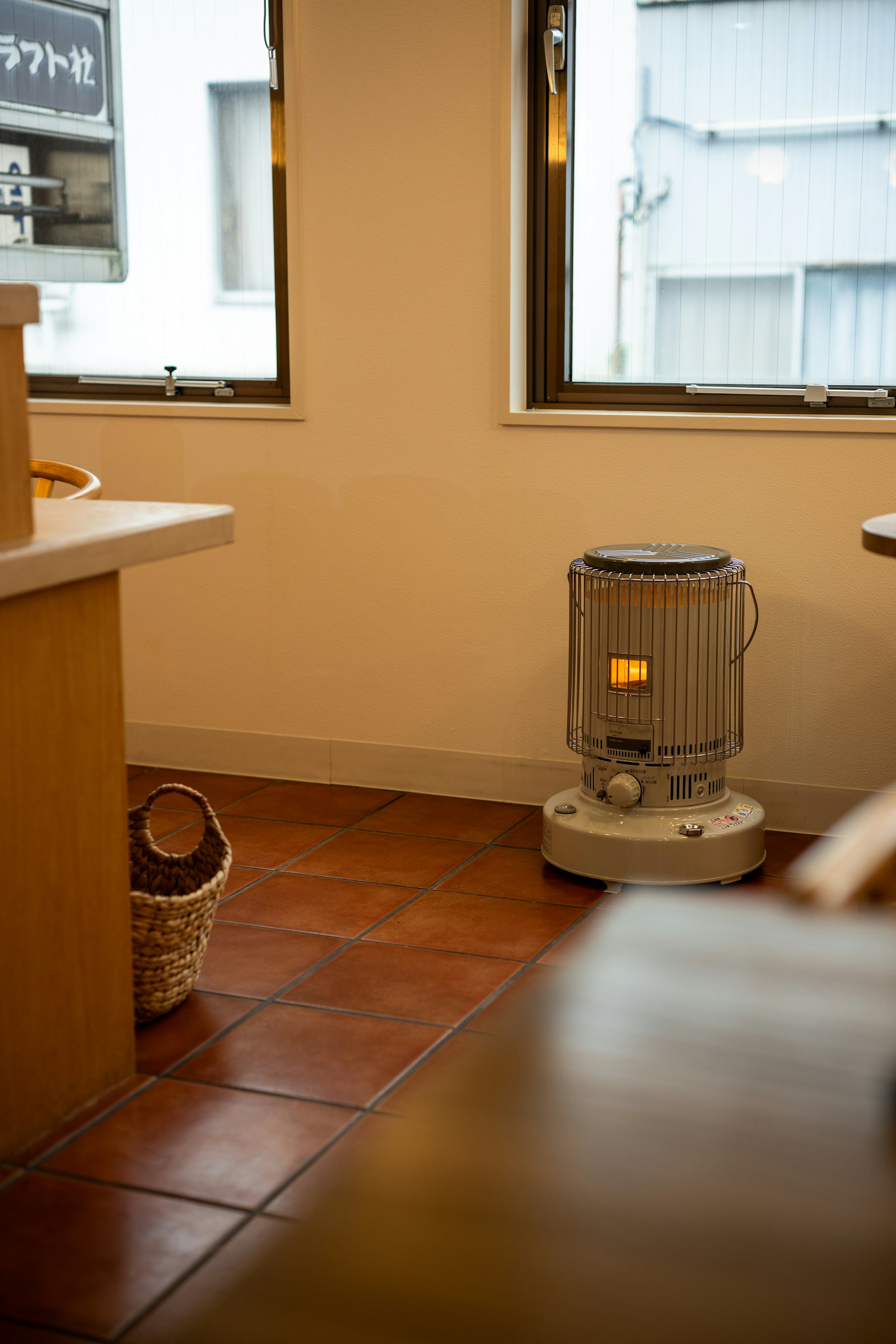
Compact heater example

Cold-weather setup checklist
- Windshield in good condition
- Properly fitted enclosure
- Safe portable heater if needed
- Seat blanket or insulated cover
- Warm gloves and wind-resistant clothing
- Charged and maintained battery pack
- Clear visibility through the windshield and enclosure panels
Bottom line
For most carts, warmth improves fastest when you reduce wind exposure first. Add a properly matched heater, seat insulation, and cold-weather clothing after the enclosure and windshield are doing their job.


