Golf cart speaker size matters, but mounting location matters just as much. A 6.5-inch speaker may fit an under-dash pod, while a soundbar may mount under the roof or across a canopy support. Before buying audio, measure the available space, confirm the mounting surface, and plan 12V power and weather protection.
This guide covers common speaker sizes, pods, soundbars, roof mounting, wiring clearance, passenger headroom, and vibration control.
Common golf cart speaker formats
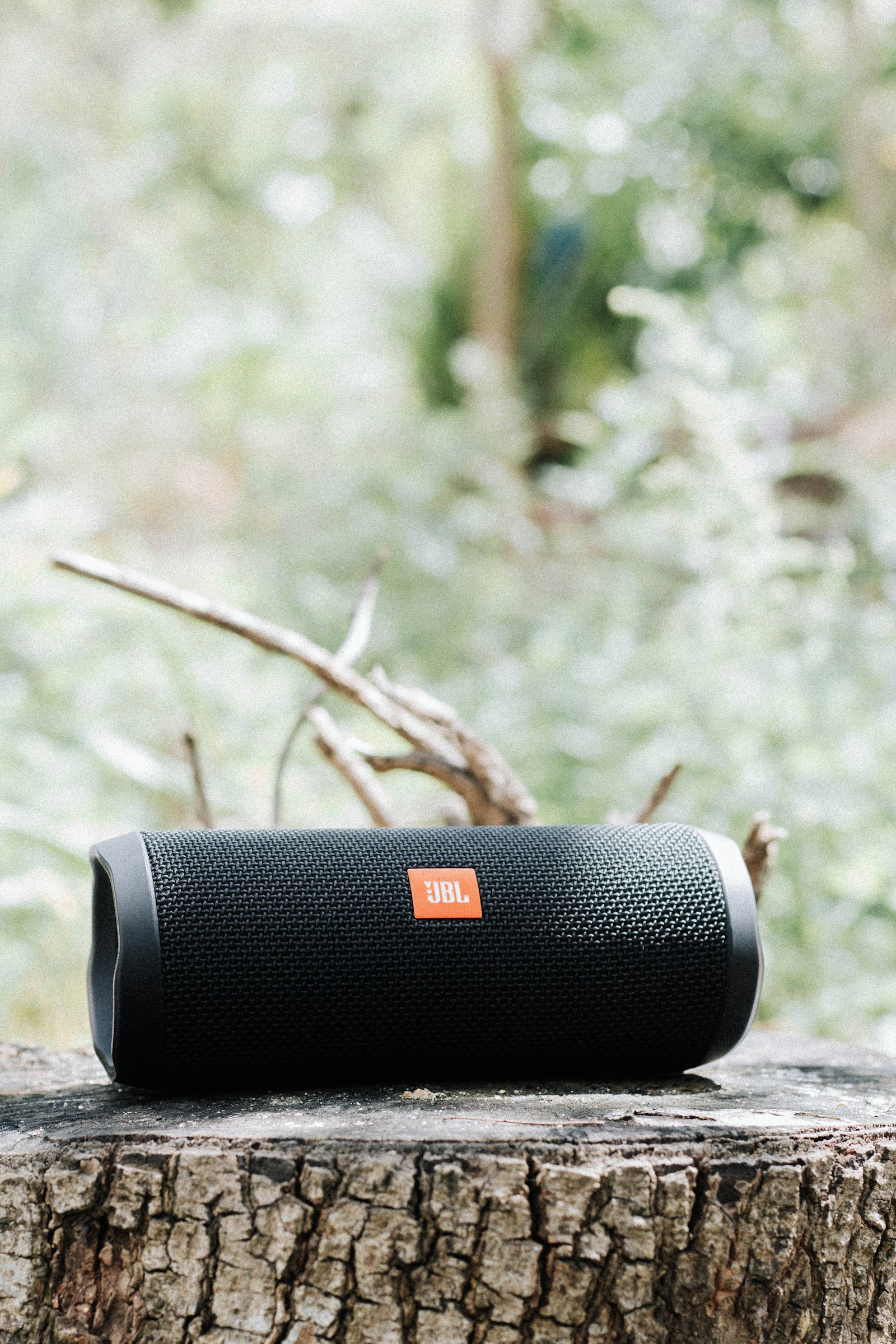
- Portable Bluetooth speakers: easiest to remove and recharge; minimal installation.
- 6.5-inch component or coaxial speakers: common size for custom pods and under-dash enclosures.
- Soundbars: combine multiple drivers, amplifier and Bluetooth in one housing.
- Custom stereo systems: separate head unit, amplifier, speakers and sometimes a subwoofer.
There is no single factory speaker size that fits every golf cart. Model-specific pods and brackets often determine what can be installed cleanly.
Why 6.5-inch speakers are popular
Many aftermarket pods are designed around 6.5-inch speakers because the size balances output, depth and availability. The speaker’s cutout diameter and mounting depth still vary by model, so “6.5-inch” alone does not guarantee it will fit a particular enclosure.
Under-dash speaker pods
Under-dash pods keep speakers protected and can create a factory-style installation on supported models. Check legroom, steering-column clearance, brake-pedal movement, wiring space, and whether the pod is designed for your exact dashboard.
As an Amazon Associate, we earn from qualifying purchases. These are mounting examples, not universal fitment recommendations.
Example: E-Z-GO TXT speaker pods
Model-specific pods can simplify mounting, but they need to match the TXT generation and the speaker cutout/depth you plan to use.

Soundbar mounting
A soundbar avoids cutting speaker holes, but the bracket must fit the bar and the cart’s roof/support structure. Confirm tube shape, bracket spacing, bolt clearance, windshield movement, roof hardware, and passenger headroom.
Example: soundbar T-bracket
This type of bracket is useful only when its listed soundbar models and your cart’s mounting surface are compatible. Do not drill into a roof or structural tube without checking what is behind it.

Roof mounting vs dash mounting
| Location | Advantages | Tradeoffs |
|---|---|---|
| Under dash | Protected, clean appearance, close to driver | Limited enclosure depth and legroom |
| Roof / canopy support | Good sound distribution, easy for soundbars | Headroom, vibration and weather exposure |
| Rear roof support | Keeps equipment away from dash controls | Can be louder for rear passengers than driver |
| Portable mount | No permanent wiring | Needs charging and secure retention |
Measure mounting depth, not just diameter
A speaker basket and magnet extend behind the mounting surface. A pod can accept the nominal speaker diameter but still be too shallow. Compare cutout diameter, mounting depth, screw pattern, and grille clearance before buying.
Plan the 12V electrical system
Most powered soundbars and amplifiers expect a 12V supply. On a 36V or 48V electric cart, use a properly sized DC-DC reducer rather than tapping one battery in a series pack. Add a fuse close to the power source and size wiring for the system’s current draw.
Our golf cart stereo speaker guide covers soundbar versus component-system decisions.
Weather resistance matters
Golf carts expose audio equipment to humidity, dust, rain splash, temperature swings and vibration. Check the speaker or soundbar’s actual IP rating and keep connectors protected. “Marine style” marketing is less useful than a documented ingress-protection rating.
See waterproof vs water-resistant golf cart speakers for IPX6, IPX7 and IP66 examples.
Keep clear of moving parts
Before drilling or tightening a bracket, cycle the steering, fold the windshield, inspect roof flex, and check passenger entry. Wiring should not cross steering shafts, brake pedals, seat hinges, sharp edges, or hot engine components on gas carts.
Reduce rattles before increasing volume
Many golf cart audio complaints are mounting problems rather than speaker problems. Use solid brackets, proper fasteners, vibration-resistant hardware, and padding where the enclosure manufacturer permits it. Loose roof hardware can make a good sound system seem distorted.
When a soundbar is the better choice
A soundbar is usually simpler when you want Bluetooth audio without building custom enclosures. Separate 6.5-inch speakers make more sense when you want a cleaner factory-style look, more control over speaker placement, or a larger amplifier/subwoofer system.
Compare options in our best golf cart speakers guide.
Bottom line
Choose speaker size only after choosing the mounting location. Measure cutout diameter, depth, bracket spacing, headroom, windshield clearance, and power requirements. Model-specific pods can make installation cleaner, while a properly mounted soundbar is often the simplest route for a complete Bluetooth system.