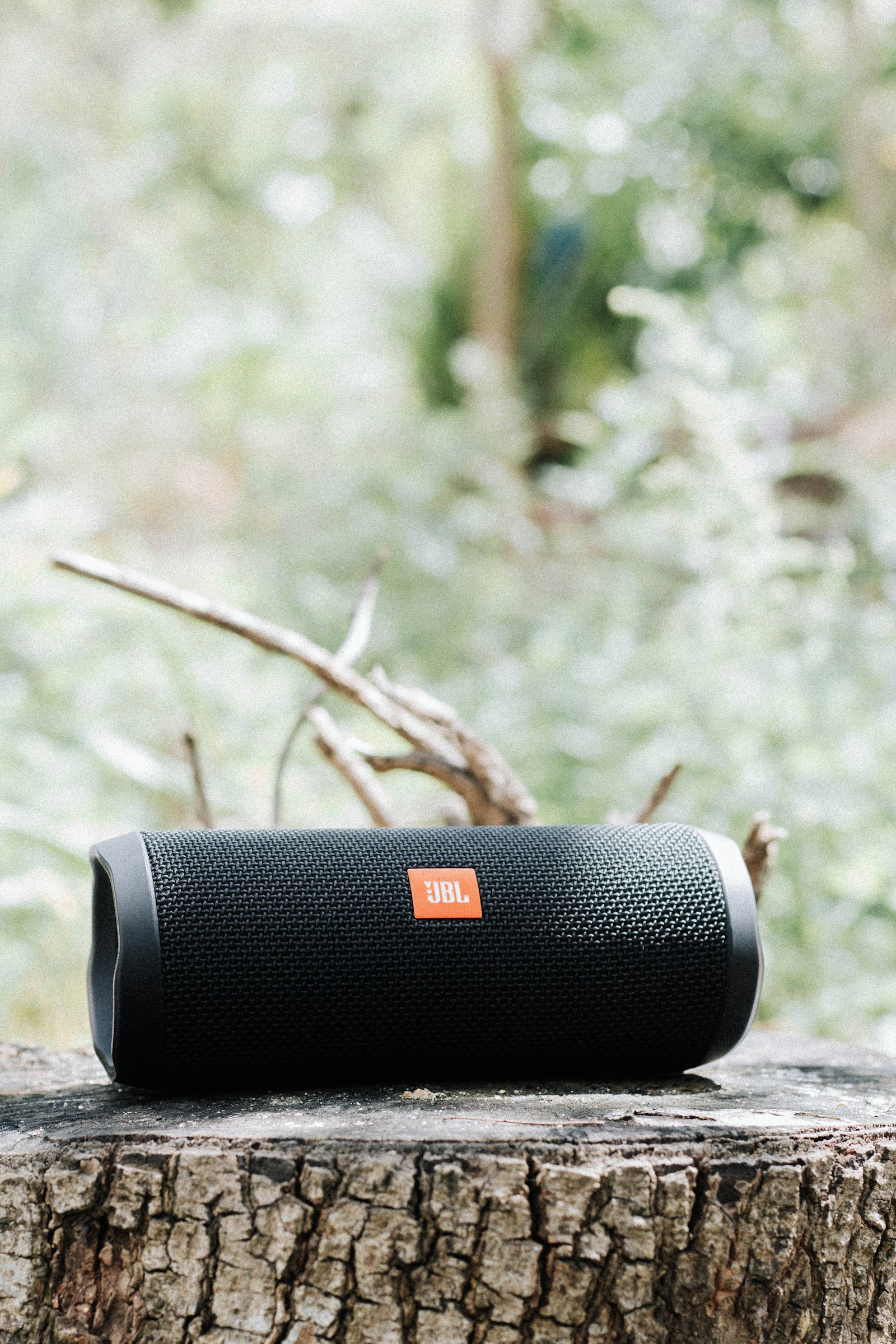
A good golf cart Bluetooth soundbar should be easy to mount, weather resistant, loud enough at driving speed, and electrically compatible with the cart. The biggest mistake is buying by advertised wattage alone. Mounting width, bracket style, speaker layout, input voltage, weather rating, and roof clearance matter more in real use.
Best Bluetooth soundbars to compare
Balanced 26-inch option: a mid-size bar is easier to fit beneath many roofs while still giving wider stereo separation than compact units.

Longer bar for wider carts: a 35-inch format can deliver broader coverage, but you need enough support spacing and head clearance.

IP66-rated 26-inch option: a weather-focused housing is useful for carts exposed to dust and spray, but the wiring and connectors still need protected routing.

Affiliate disclosure: We may earn a commission from qualifying purchases.
Measure the roof before buying
Check the distance between roof supports and the available vertical clearance. A bar that physically fits across the roof can still interfere with mirrors, enclosure straps, windshield travel, or a passenger’s head. Measure the bar body and bracket footprint, not only the advertised speaker length.
Confirm the mounting method
Some bars include clamp brackets; others need a separate T-bracket, L-bracket, or model-specific mount. Avoid hanging a heavy soundbar from thin plastic roof material. Use structural supports and recheck fasteners after the first few drives.
Power requirements
Most soundbars expect a 12V accessory supply. A 36V or 48V electric cart normally needs a correctly sized DC-DC reducer and fused circuit. Do not connect a 12V-only bar directly to the traction pack unless the product explicitly supports that voltage range.
IP66, IPX6 and similar ratings
Weather ratings are useful, but they apply to the tested enclosure conditions. Connectors, inline fuse holders, power switches, and added extensions can remain vulnerable. Route connections out of direct runoff and seal them appropriately.
Bluetooth range and controls
A golf cart rarely needs extreme Bluetooth range. Reliable reconnection, accessible volume controls, and simple pairing matter more. A physical control panel is easier than relying on a phone while driving.
RGB lighting is optional
RGB effects can look good at night, but they should not distract the driver or create legal problems on public roads. The audio system should still be worth owning with the lighting turned off.
Soundbar vs separate speakers
A soundbar reduces cutting and wiring because the amplifier and speakers share one enclosure. Separate speakers offer more placement flexibility and may integrate better into a dash or overhead console. Choose based on installation constraints, not only sound output.
Buying checklist
- Overall bar length and bracket span.
- 12V power draw and reducer capacity.
- Weather rating.
- Mounting hardware included.
- Roof, mirror, windshield, and enclosure clearance.
- Accessible controls and pairing behavior.
- Fuse and wiring requirements.
Bottom line
A 17- to 26-inch soundbar is usually easier to package than a very long bar, while a larger bar can make sense on long-roof or wider installations. Match the mount and power system first; wattage claims come second.
Also see our speaker mounting ideas and stereo speaker guide.
n
How much soundbar power is enough?
More speakers and advertised watts do not guarantee clearer sound. Open carts have wind and road noise, so speaker placement and enclosure tuning matter. A smaller soundbar mounted near the occupants can sound better than a larger bar mounted too far away or powered through undersized wiring.
Check charging and key-off behavior
Some soundbars retain Bluetooth or lighting memory while powered. Wire the system so it does not remain energized unintentionally during long storage. If it shares a reducer with other accessories, verify the reducer and switching arrangement match the cart’s charging and key-off behavior.