








Fairway Wood vs Hybrid: Distance and Forgiveness Compared
Choose a fairway wood if you need more distance from the tee or a clean fairway lie. Choose a hybrid if you need a…


Check the cart data plate, battery configuration and charger label. Do not rely on battery count alone because battery voltage can vary. When in doubt, confirm the exact model and pack voltage before buying a battery or charger.
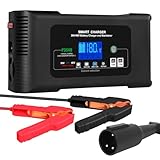
No. Use a charger designed for the battery pack’s nominal voltage and chemistry. A mismatched charger can damage batteries or create a safety risk.
Only if the lithium battery manufacturer explicitly says the charger is compatible. Lithium packs often require a different charging profile, so use the charger specified for the battery or conversion kit.
Follow the battery and charger manufacturer’s instructions. For regular use, recharge after use rather than repeatedly running the pack very low. Storage charging requirements differ between lead-acid and lithium batteries.
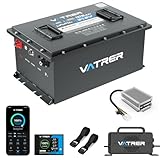
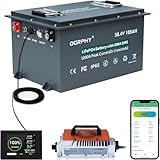
Lithium batteries are typically lighter and use a battery management system, while flooded lead-acid batteries require periodic water and terminal checks. Cost, charger requirements, weight, fitment and electrical compatibility all matter when choosing between them.
Battery life depends on chemistry, charging habits, depth of discharge, temperature, maintenance and usage. Instead of relying on a fixed number of years, watch for reduced range, slower performance, charging problems and test results that show declining capacity.
Often, but it is a system conversion rather than a simple battery swap. Confirm pack voltage, physical fitment, BMS capacity, charger compatibility, cables, mounting and any controller or state-of-charge requirements.
Match the connector shape to your cart’s charge receptacle and verify the cart model, year and voltage. Similar-looking plugs are not always electrically compatible, so use the charger manufacturer’s fitment list.
Possible causes include a dead AC outlet, loose connector, very low battery-pack voltage, a charger fault or a battery problem. Check the charger manual and basic connections first. If you are unsure about electrical testing, use a qualified golf cart technician.
Yes. Check electrolyte levels according to the battery manufacturer’s instructions and use distilled water only when needed. Do not overfill, and avoid opening or servicing batteries unless you can follow the required safety precautions.