Golf cart differentials and transaxles use lubricant to protect gears and bearings, but the oil type, service interval and fill procedure vary by manufacturer and drivetrain. Some carts have a straightforward drain-and-fill service, while others use different transaxle designs. The owner’s or service manual should always be the final source for lubricant specification and capacity.
When should the oil be checked?
Inspect the transaxle if you see oily residue near the axle housing, hear new gear whine, notice contamination after water exposure, or are performing the scheduled maintenance listed for the cart. A used cart with unknown service history is also a good reason to inspect the fluid condition rather than assume it has been maintained.
Use the correct lubricant
Do not choose gear oil only by viscosity or by what another golf cart uses. Different transaxles can require different lubricants. Confirm the model, year and manufacturer specification before draining anything. Mixing incompatible fluids can reduce lubrication quality or affect seals.
Basic service process
Park the cart level, secure it against movement and clean around the fill and drain areas before opening them. It is usually smart to confirm the fill plug can be removed before draining the old lubricant. Catch the used oil in a clean pan so you can inspect it for water, heavy metal particles or unusual debris.
What problems should stop the service?
A small amount of fine metallic paste may be less concerning than chunks, chips or obvious bearing material. Repeated leaks, excessive play or loud gear noise deserve mechanical inspection rather than simply another oil change. Our wheel-bearing guide and transaxle-noise guide can help separate hub noise from drivetrain sounds.
Do not overfill the housing
More lubricant is not automatically better. Overfilling can increase foaming, heat or leakage through seals and vents. Fill only to the level and capacity specified for the transaxle. If the housing has no obvious drain plug, do not improvise a drain point or remove structural fasteners.
Related Product
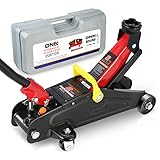
A low-profile floor jack is useful for differential and transaxle service access. Support the cart with properly rated jack stands before working underneath it.