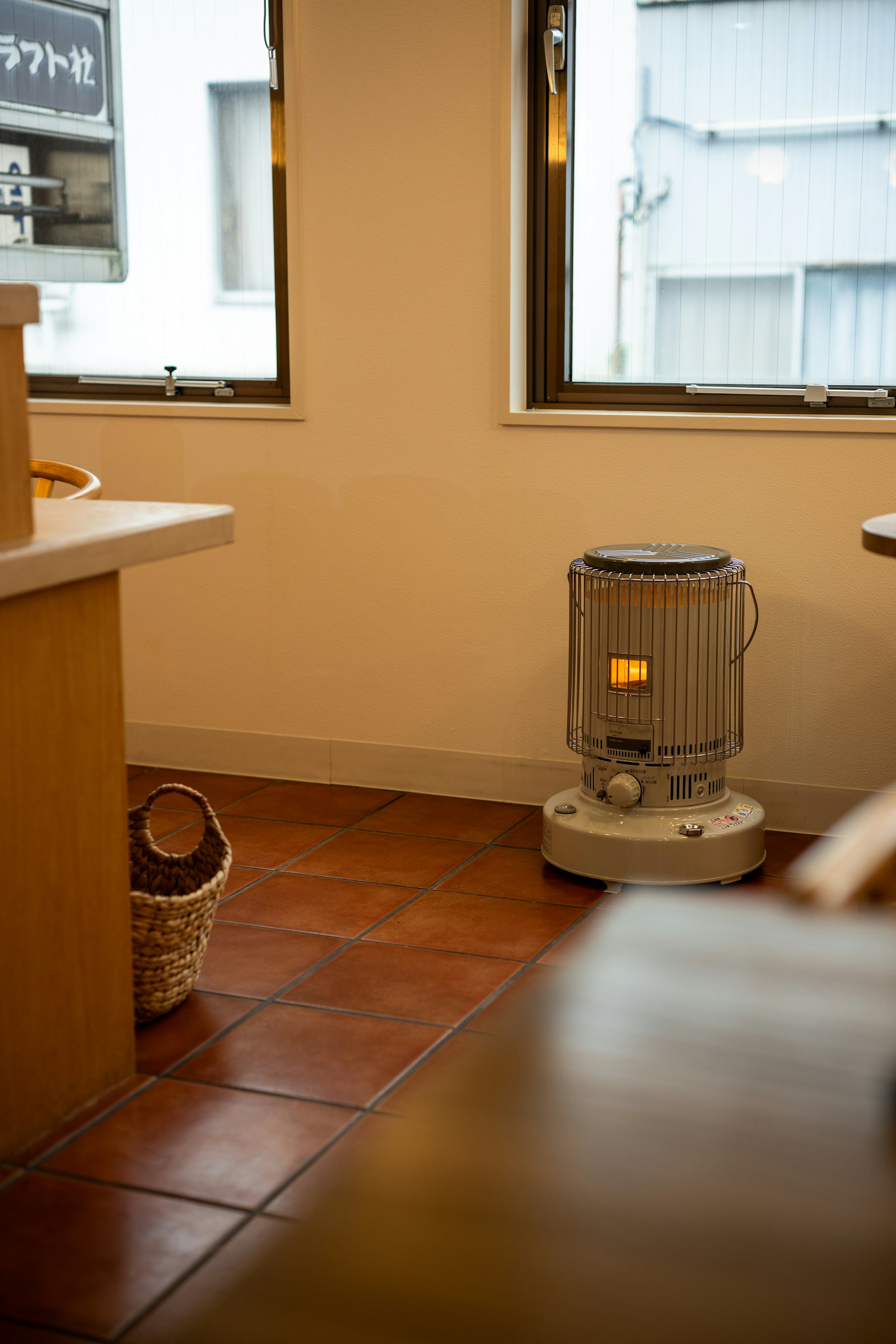
Short answer: the best golf cart accessories for cold weather are a fitted enclosure, safe heat source, warm seat solution, and weather-resistant storage. The goal is to block wind first, then add heat safely.
A heater without wind protection loses much of its value. Start with an enclosure that fits your passenger count and roof length, then add heat and comfort upgrades that match the cart’s electrical system and ventilation needs.
Cold-weather priorities
- Block wind: a fitted enclosure is usually the biggest improvement.
- Add heat safely: propane and electric heaters have different power and ventilation requirements.
- Warm the seat: a heated pad can improve comfort without heating the whole cabin.
- Keep visibility clear: avoid fogged, scratched, or folded clear panels while driving.
- Protect batteries: cold conditions can reduce available performance, especially when the pack is partly discharged.
Cold-weather accessories worth comparing
Affiliate disclosure: We may earn a commission from qualifying purchases. Confirm enclosure fit, heater clearances, power requirements, and manufacturer safety instructions.
4-passenger rain/wind enclosure
An enclosure reduces wind chill dramatically compared with an open cart. Check passenger layout, roof length, zipper access, and window visibility before ordering.


Mr. Heater golf cart propane heater
A propane heater can provide strong localized heat without drawing from the traction battery, but it must be used exactly as directed with adequate ventilation and safe clearances from fabric, passengers, and stored items.

USB heated golf cart seat warmer
A heated pad can add comfort without heating the entire enclosure. Confirm the power source and cable routing so nothing interferes with pedals, seat movement, or passenger entry.

Enclosure first, heater second
Wind strips heat away quickly. A fitted enclosure often makes a larger comfort difference than simply buying a more powerful heater. For more options, see our golf cart enclosure guide.
Propane heater safety
Follow the heater manufacturer’s instructions, maintain ventilation, and never place a heater where fabric or passengers can contact the hot surface. Do not leave a fuel-burning heater running unattended. If the enclosure is tightly closed, ventilation becomes even more important.
Electric heater considerations
Electric heaters avoid combustion but can draw substantial current. Match the heater to the cart voltage and wiring. Our 48V heater guide explains direct-pack electric options, while smaller 12V accessories may require a voltage reducer.
Battery care in cold weather
Cold batteries can deliver less usable performance. Keep the pack charged according to the battery manufacturer’s instructions, avoid storing lead-acid batteries partially discharged, and use the correct charger profile for the battery chemistry.
Visibility and clear panels
Cold clear-vinyl panels can become stiff. Do not force-fold them when very cold, and avoid abrasive cleaning that scratches the surface. Open vents or doors briefly if interior moisture causes fogging.
Cold-weather tire and brake checks
Low temperatures can change tire pressure, and wet leaves, frost, or cold pavement can reduce traction. Check pressures when the tires are cold, inspect tread condition, and allow more braking distance on slick surfaces. A warm enclosure can make the driver feel comfortable while the road surface is still hazardous.
Prepare the cart before winter storage
If the cart will sit for weeks, clean and dry the enclosure, charge the battery according to its chemistry, and store removable heated accessories indoors. Do not fold or crease cold clear-vinyl panels tightly. Inspect charger cables and battery connections before the first winter charge so corrosion or a loose terminal is not discovered during freezing weather.
Dress the passengers, not only the cart
An enclosure and heater help, but gloves, layered clothing, and a blanket can reduce the need to run a heater continuously. This is especially useful on short trips where warming the whole enclosure is inefficient. Keep loose blankets away from pedals, moving parts, and heater surfaces.
Bottom line
For cold weather, block wind first with a correctly fitted enclosure. Then add a safe heater or heated seat solution, maintain visibility, and keep the battery pack properly charged. Comfort comes from the whole setup, not one high-output accessory.