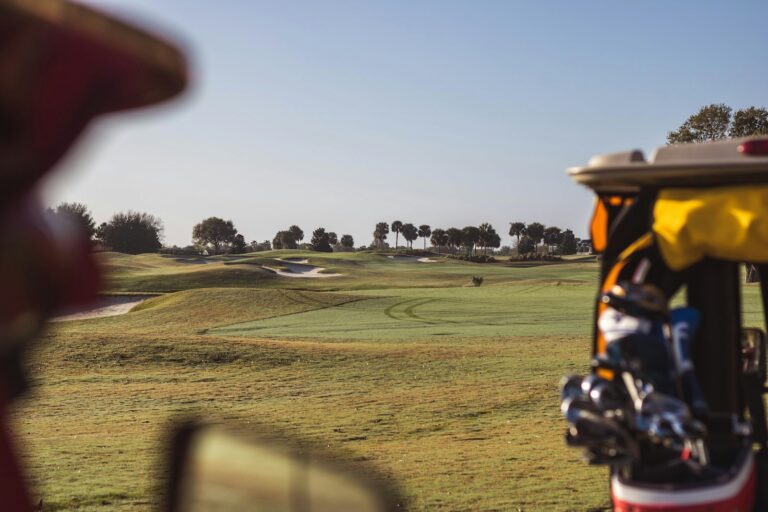
Short answer: the most useful golf cart accessories for hunting are secure cargo storage, weather protection, quiet lighting, traction, and recovery-oriented gear. You do not need to build the cart around weapon mounts to make it more useful in the field.
This guide focuses on general hunting and property-use accessories that help carry clothing, game bags, tools, water, and other outdoor gear. If your cart is used on public land or roads, follow local rules for vehicle access, lighting, and equipment.
What matters most on a hunting cart?
- Cargo capacity: secure storage is more useful than loose gear piled on a rear seat.
- Traction: tires should match mud, grass, gravel, or hard-packed trails.
- Weather protection: enclosures and covers help in rain and cold.
- Quiet operation: prevent rattling baskets, loose tools, and unsecured cargo.
- Lighting: use controlled task lighting without creating unnecessary glare.
Useful cargo accessories
Affiliate disclosure: We may earn a commission from qualifying purchases. Verify exact fitment and load capacity before ordering.
EZGO RXV steel utility box
A rigid utility box can be useful for hauling general equipment and keeping heavier items contained. This example is model-specific, so it is only relevant to compatible RXV carts.

Adjustable cargo net
A cargo net is a simple way to stop soft bags and light equipment from moving around on a rear platform or seat area. It is especially useful when your cart already has cargo space but lacks containment.

Zippered cargo bag
A soft cargo bag adds weather protection and helps keep small items together. It is usually a better choice than an open basket for clothing, gloves, food, or electronics.

Choose tires for the actual terrain
For dry property roads, a mild all-terrain or knobby tire may be enough. For frequent mud, use a more aggressive tread and verify lift clearance first. See our knobby tire guide and mud tire guide.
Weather protection for early-season and winter use
A fitted enclosure is useful when rain, wind, and cold are common. Do not confuse a parked-cart cover with a driveable enclosure. For cold-weather setups, see our cold-weather accessory guide.
Lighting without unnecessary glare
Portable work lights or carefully aimed rock lights can help with loading and walking around the cart after dark. Avoid aiming decorative lighting where it reduces night vision or distracts other people nearby.
Keep the cart quiet
Rattling accessories can make a cart far noisier than its motor. Tighten basket hardware, use rubber isolation where appropriate, secure tools, and stop metal cargo from contacting bare racks. Check rear-seat and roof hardware periodically because loose fasteners can become a major noise source.
Do not overload the rear
Heavy cargo behind the rear axle changes steering feel and suspension loading. Keep dense items as low and as close to the vehicle center as practical. If the cart regularly hauls heavy loads, inspect tire load ratings, rear springs, brakes, and wheel bearings more often.
Think about ground clearance before adding cargo
A loaded rear platform can compress the suspension and reduce departure clearance on ruts or creek crossings. Before carrying heavy gear, inspect rear springs, tire clearance, and the cargo platform’s rated load. A cart that clears a trail when empty may rub tires or drag the rear structure once several bags and passengers are added.
Recovery gear should match the cart
For private-property use, basic recovery planning can include a tow strap rated for the vehicle, a shovel, traction boards, or a small tool kit. Attach recovery equipment only to structural tow points specified for the cart. Do not pull from roof supports, seat frames, or thin accessory brackets.
Inspect the cart after rough trails
After driving washboard roads, ruts, or uneven fields, check wheel lugs, cargo-rack fasteners, roof hardware, and tie-down points. Vibration can loosen accessories gradually. A quick inspection at the end of the day is easier than discovering a loose basket or rubbing tire deep in the field on the next trip.
Bottom line
For hunting use, prioritize cargo control, terrain-appropriate tires, weather protection, and quiet operation. Those upgrades improve usefulness without forcing highly specialized equipment that may not fit your land, cart, or local rules.