
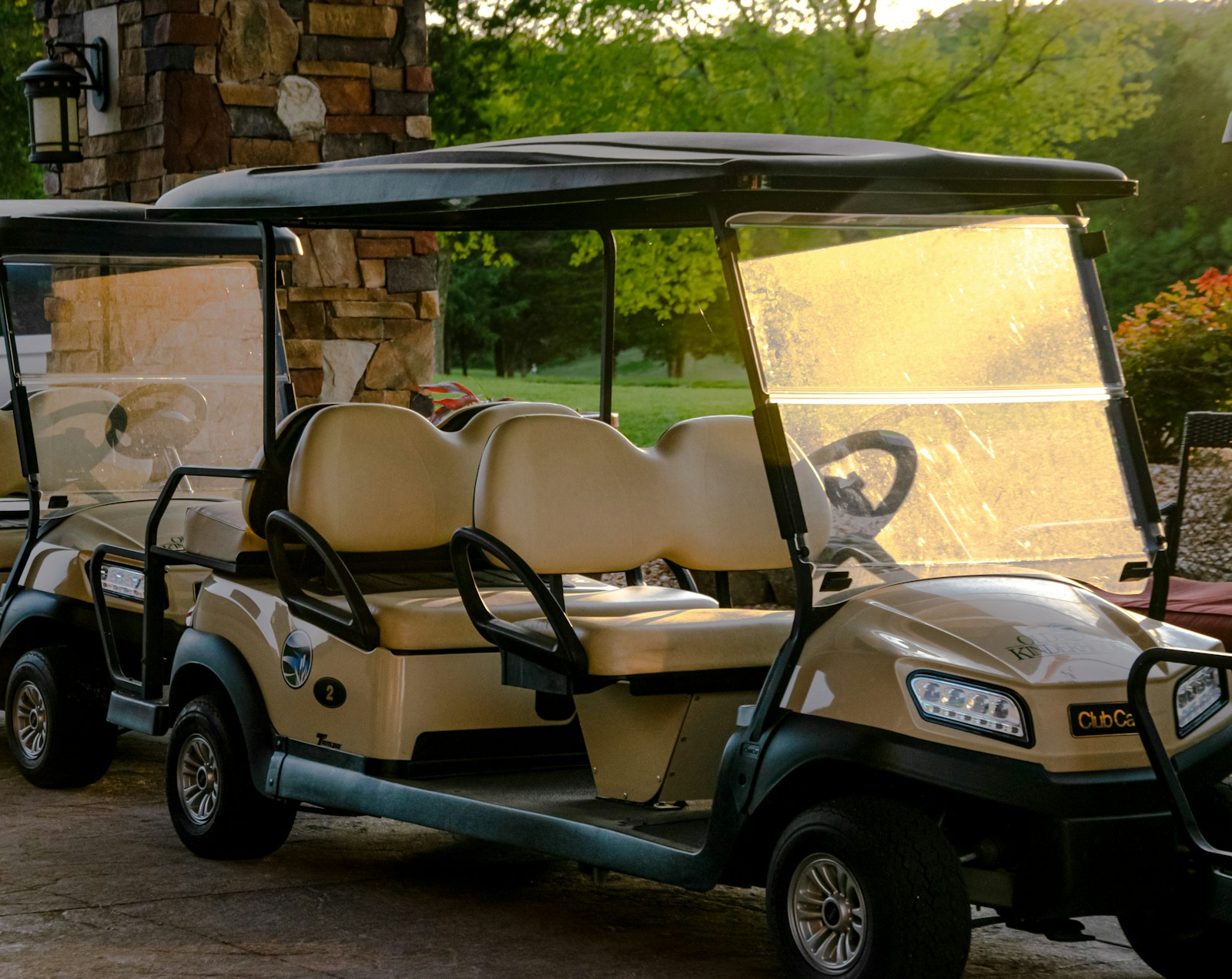
Restoring a golf cart body starts with identifying the panel material and deciding whether the problem is dirt, oxidation, fading, scratches, cracks, or structural damage. Clean and repair the surface first, then refinish only with products compatible with the body material.
Wash the body before judging the damage
Use mild soap, water, and a soft wash mitt to remove dirt, wax, silicone dressings, and road residue. Deep cleaning often reveals that some apparent fading is only contamination.
Identify plastic, fiberglass, or another material
Do not start sanding or applying filler until you know what the panel is made from. Plastic, thermoplastic, and fiberglass require different repair methods and primers.
See what golf cart bodies are made of before choosing repair products.
Repair light scratches first
Very light scratches may improve with a suitable plastic polish or finishing compound. Test in a hidden area and avoid aggressive abrasives that remove texture or create a glossy patch on a matte panel.
Address cracks correctly
A cracked panel should be repaired from both a cosmetic and structural perspective. Plastic welding, compatible repair adhesives, or fiberglass reinforcement may be appropriate depending on the material. Large structural cracks may make replacement the better option.
Prepare faded panels for refinishing
When painting is necessary, remove trim and hardware where practical, clean the surface thoroughly, sand according to the coating manufacturer’s process, and use adhesion promoter or primer if specified for that plastic or composite.
Do not use uncontrolled heat to restore plastic
Heat-gun tricks can temporarily darken faded plastic but can also distort panels, damage texture, and weaken the surface. A proper cleaning and refinishing system is safer and more repeatable.
Protect surrounding components
Mask windshields, lights, seats, tires, wiring, labels, and moving parts before spraying coatings. Overspray on clear plastic and vinyl can be difficult to remove without damage.
Consider replacement for badly damaged bodies
If panels are warped, missing mounting points, or heavily cracked, a model-specific replacement body or cowl can be more efficient than extensive repair.
Finish with UV protection
After the coating or restored surface has fully cured, use compatible UV protection and store the cart under cover when possible. Our sun-damage prevention guide covers long-term protection.
Bottom line
A good golf cart body restoration is mostly preparation: clean thoroughly, identify the material, repair damage with compatible products, and refinish carefully. Avoid shortcuts that can permanently distort plastic or create poor paint adhesion.


