
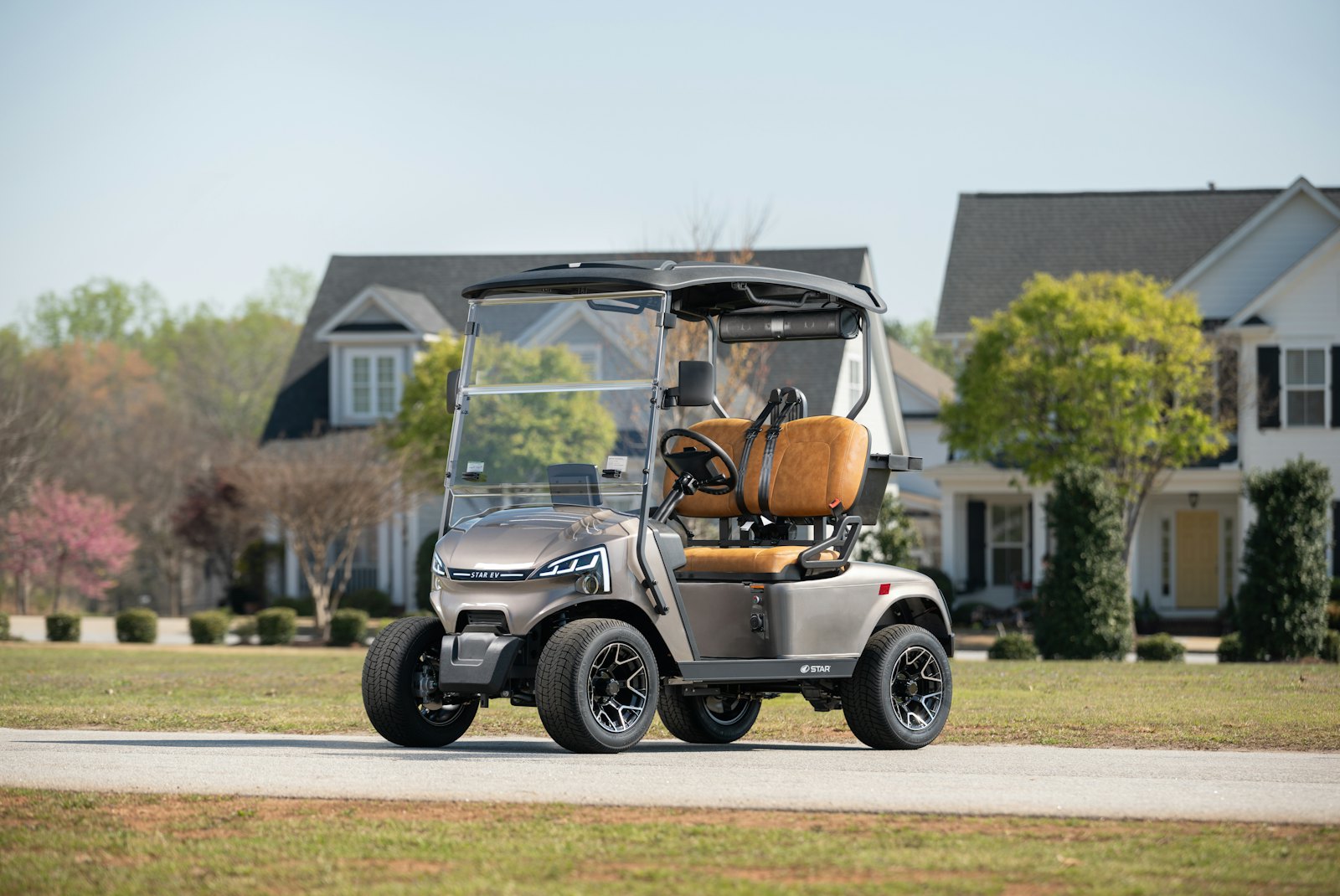
Yamaha’s Drive2 gas lineup can be confusing because QuieTech EFI and the standard Drive2 EFI use the same basic 357cc Yamaha gas engine. The biggest difference is not horsepower. It is the rear suspension, noise refinement, and intended use.
For the current 2027 lineup, QuieTech EFI is the more premium gas setup. The standard EFI remains available in the Fleet range for buyers who want gas simplicity without paying for the quieter rear-suspension package.
Quick comparison
| Feature | Drive2 QuieTech EFI | Drive2 standard EFI |
|---|---|---|
| Engine | 357cc EFI gas | 357cc EFI gas |
| Estimated fuel economy | 45 mpg | 45 mpg |
| Front suspension | Independent | Independent |
| Rear suspension | Fully independent | Swing arm with coil springs/shocks |
| Primary advantage | Quieter, smoother ride | Lower-cost gas platform |
QuieTech is mainly about refinement
QuieTech is Yamaha’s quieter gas package. Yamaha pairs the same 357cc low-emission EFI engine with a fully independent rear suspension and additional noise-reduction work. Yamaha currently lists QuieTech at about 45 mpg and highlights reduced operating noise.
That matters most if the cart is used around homes, resorts, clubhouses, or other places where engine sound and ride quality are noticeable. It also helps on uneven pavement because the independent rear suspension can react to each side separately.
What does the standard Drive2 EFI use?
The standard Drive2 Fleet EFI still uses Yamaha’s 357cc fuel-injected engine and independent front suspension. Its rear suspension is different: a swing-arm design with coil springs over hydraulic shocks.
That setup is simpler and is still appropriate for routine fleet use. If the cart spends most of its time on maintained golf-course paths and the lowest possible purchase cost matters more than maximum refinement, the standard EFI can make sense.
Is QuieTech more powerful?
Not in the way many buyers expect. Both current gas versions use the same displacement and the same basic EFI engine family. QuieTech’s value comes from noise control and chassis behavior, not from turning the cart into a high-performance model.
Ride quality is the biggest mechanical difference
The independent rear suspension is the most important hardware distinction. With QuieTech, one rear wheel can respond to a bump with less direct effect on the other side. On the standard EFI, the swing-arm arrangement is more conventional.
For casual buyers, this translates to a more composed feel from QuieTech over uneven paths. For commercial operators, however, simpler suspension may also mean fewer premium components to consider over a long fleet life.
Noise difference
Gas carts will never be as quiet as electric carts at idle and low speed, but QuieTech narrows the gap. Yamaha specifically markets the system around reduced engine noise. That can be meaningful in neighborhoods or resort environments where repeated acceleration is otherwise noticeable.
Fuel use and maintenance
Both versions use EFI, so there is no carburetor to tune. Routine ownership still includes engine oil, air-filter, fuel-system, drive-belt, spark-plug, and other gas-powertrain maintenance.
Do not assume QuieTech eliminates normal gas service. Its quieter operation does not change the fact that both models are combustion-powered carts.
Which version should you choose?
Choose QuieTech EFI if quiet operation, smoother rear suspension, and residential or premium recreational use are priorities.
Choose standard Drive2 EFI if you specifically want a fleet-oriented gas cart and are comfortable giving up the independent rear suspension to reduce complexity or purchase cost.
Do not compare accessories by engine name alone
Body accessories may overlap across Drive2 variants, but suspension, exhaust, powertrain, and underbody parts should be verified by model code and year. A product that says “Drive2 gas” is not automatically correct for every QuieTech and standard EFI configuration.
Bottom line
The current Drive2 QuieTech and standard EFI share the same core 357cc EFI gas concept. QuieTech is the premium choice because of its fully independent rear suspension and quieter operating package. Standard EFI is the simpler fleet-oriented option. Buy based on ride/noise priorities, not the assumption that one has a dramatically different engine.
Used-cart buying note
On older Drive2 carts, verify the exact model code instead of relying on a seller calling every quiet gas cart “QuieTech.” Inspect the rear suspension layout, confirm the model/year, and check service history. Suspension wear, engine condition, tires, and accessories can matter more to used-cart value than the QuieTech badge alone.


